
.svg)




100 Octane Gas: What It Is, Who Needs It, and When It Makes Sense
Whether you're a weekend racer, a performance enthusiast, or a collector with a prized classic car, one thing is certain, fuel quality can make or break your engine's performance. But what many drivers overlook is how fuel degrades over time, especially when vehicles sit unused or fuels are improperly stored. Loss of octane, varnish buildup, and moisture contamination can all lead to poor starts, sluggish performance, or even engine damage.
Fortunately, extending the shelf life of your fuel is possible with the right storage practices and fuel selection. Industry leaders have developed specialized fuels and storage guidelines that help maintain peak performance even after months or years in storage. In this guide, we'll break down the science of fuel stability and share expert-backed tips to help racers and collectors keep their fuel, and their engines, in race-ready condition.
UNDERSTANDING FUEL STABILITY: WHY GASOLINE AND RACING FUEL DEGRADE OVER TIME
Many drivers assume fuel is ready to perform the moment it comes out of the pump, but few consider what happens when that same fuel sits for weeks or months. Gasoline is a complex mixture of hydrocarbons, and over time, exposure to air, temperature swings, and moisture can break it down. The most noticeable effect is a drop in octane rating, which can lead to knock, hard starts, and sluggish performance, especially in high-performance engines.
Pump fuel, in particular, is designed to be used quickly. It often contains additives like ethanol, which boosts octane but also absorbs moisture from the atmosphere. This is known as ethanol's hygroscopic nature, and it's one of the primary reasons pump fuel begins to degrade after just a few months, especially if stored improperly.
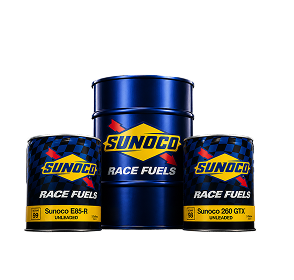
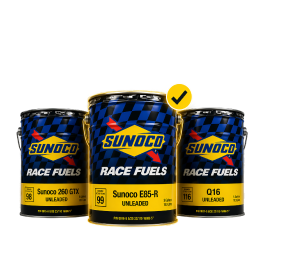
Specialty race fuels are different. Leading fuel manufacturers utilize advanced refining processes to create more stable, even-burning products. For example, Sunoco's well-documented Double Distilled™ process is one example of how the industry works to deliver fuels with greater purity and consistency. These racing fuels are engineered for stability and long-term performance, providing a significant shelf-life advantage when compared to standard pump gasoline, but only if stored under the right conditions.
For enthusiasts who store vehicles for long periods, especially classics or track cars that only see seasonal use, fuel stability becomes critical. Choosing the right fuel and understanding how it reacts to time, moisture, and environment can help you avoid costly repairs and maintain maximum engine performance.
THE SCIENCE BEHIND FUEL STABILITY: WHAT MAKES RACING AND STORAGE FUELS LAST LONGER
Specialty fuels designed for racing or long-term storage stand apart due to their enhanced refinement and strict production controls. Sunoco and others have pioneered processes including distillation processes, highly refined hydrocarbon selection, and advanced additive packages to create fuels that deliver consistent performance over time.
Highly refined fuels reduce impurities that can lead to instability, varnish, or carbon buildup. These fuels often contain antioxidants, corrosion inhibitors, and detergents that help resist the effects of oxidation and evaporation. The result is fuel that can last significantly longer than standard pump gas, with some racing and storage-specific products remaining stable for up to two or three years when stored properly.
For instance, fuels like Sunoco Optima are specifically formulated to reduce ethanol content and resist the moisture absorption that typically degrades pump fuel over time. Non-ethanol storage fuels are often recommended for classic cars, small engines, and seasonal equipment because they minimize moisture absorption and maintain fuel integrity even during extended downtime. These products often come with enhanced additives that help prevent corrosion, oxidation, and phase separation, making them ideal for collectors or enthusiasts with vehicles that see infrequent use.
Choosing the right fuel for your needs is only the first step, proper storage is what ultimately determines how long your fuel will perform as intended.
HOW TO STORE FUEL FOR LONG-TERM PERFORMANCE: BEST PRACTICES FOR RACERS AND COLLECTORS
Even the most advanced fuels can degrade if they aren't stored properly. To get the most out of your investment and ensure your engine performs when you need it, it's essential to follow a few proven fuel storage practices.
The first rule is to use the right container. Fuel should always be stored in opaque, tightly sealed containers made specifically for gasoline or race fuel. Clear containers allow light to penetrate, which can accelerate fuel breakdown and oxidation. Reputable fuel producers recommend using metal or high-quality plastic containers that are resistant to chemical interactions and designed to prevent vapor loss. Always keep the container tightly closed to prevent evaporation and contamination.
Location is just as important. Fuel should be kept in a cool, dry place where temperatures remain stable. Temperature swings can cause condensation inside containers, introducing moisture into the fuel supply. Moisture is one of the biggest enemies of fuel stability, leading to corrosion, reduced octane, and potential engine issues. Avoid storing fuel in direct sunlight or near heat sources both will shorten its shelf life.
It's also a best practice to keep containers as full as possible. A partially filled container has more headspace, increasing the amount of air and moisture that can mix with the fuel. Reducing this headspace minimizes the risk of condensation and keeps the fuel composition intact.
Finally, label your fuel containers with the date of purchase. While some race fuels and storage fuels can last up to two or three years when stored properly, knowing exactly how old your fuel is can help prevent surprises down the road. For racers or collectors who store vehicles seasonally, refreshing fuel stocks before the next use is always a smart move.
A notable real-world example of poor storage comes from a common scenario in the collector car community. In 2022, a vintage car owner shared with the Classic Car Club of America how degraded fuel caused severe hesitation and knocking in his 1967 Corvette after winter storage. The culprit? Ethanol-blended pump gas left in the tank for six months in a humid garage without a stabilizer or airtight container.
ETHANOL AND OXYGENATED FUELS: WHAT YOU NEED TO KNOW ABOUT STORAGE RISKS
When it comes to racing fuels, ethanol and oxygenated blends have become increasingly popular for their performance advantages but they also come with unique storage challenges. Understanding how these fuels behave over time is critical, especially for racers, collectors, or anyone storing fuel for extended periods.
Ethanol-blended fuels, including E10, E30, E85, and E98, provide added oxygen content, which can help engines generate more power and run cooler, particularly in high-boost or high-compression applications. However, ethanol is hygroscopic, meaning it attracts and absorbs moisture from the atmosphere. Over time, this moisture can cause phase separation, where water and ethanol settle at the bottom of the container, leading to fuel degradation and potential engine damage. This is a key reason ethanol-heavy fuels are not recommended for long-term storage unless strict precautions are taken.
Oxygenated fuels, even those without ethanol, require special attention as well. These fuels contain chemical additives designed to increase oxygen content in the combustion process, providing performance benefits like more efficient combustion and added horsepower. However, higher oxygen content often shortens fuel shelf life compared to non-oxygenated fuels, especially if storage conditions are less than ideal.
For anyone storing ethanol or oxygenated fuels, airtight, opaque containers are a must. Limiting exposure to air and moisture significantly reduces the risk of degradation. Storing fuel in a temperature-controlled environment also minimizes evaporation and chemical instability.
It's also worth noting that while ethanol blends can absorb moisture, some non-ethanol, highly refined fuels are specifically designed for storage and may last several years when properly sealed and stored. Racers who use ethanol-based fuels often switch to storage-specific fuels during the off-season to protect their engines and fuel systems.
In fact, many professional race teams using high-ethanol blends rely on controlled storage environments and strict fuel rotation schedules to ensure consistency on race day. For hobbyists and collectors, following similar practices can safeguard against the risks unique to ethanol and oxygenated fuels.
VEHICLE STORAGE FUEL TIPS: PROTECTING YOUR ENGINE DURING DOWNTIME
Proper fuel storage is just one piece of the puzzle when it comes to keeping performance vehicles in optimal condition during downtime. Whether it's a race car, motorcycle, classic car, or high-performance street machine, what you do while your vehicle sits can significantly affect how well it runs when it's time to get back on the track or road.
One of the most common mistakes is letting fuel sit idle in the tank for extended periods without taking preventive steps. Even with high-quality fuel, oxidation and evaporation can lead to varnish buildup, clogged injectors, or hard starts. If a vehicle will be stored for more than a few weeks, it's wise to top off the tank with stabilized, ethanol-free fuel where possible. This reduces the amount of air and moisture in the tank and slows the degradation process.
Running the engine periodically is another good practice. Starting the engine and letting it reach operating temperature circulates fuel throughout the system, helping prevent stale fuel from sitting in lines, injectors, and carburetors. This also keeps seals lubricated and prevents internal corrosion.
For vehicles using ethanol or oxygenated fuels, it's especially important to avoid long periods of inactivity with fuel sitting in the system. These fuels can draw in moisture or lose their beneficial properties over time, leading to performance issues or even engine damage. In some cases, draining the fuel system entirely or switching to a dedicated storage fuel can be a safer alternative.
Additionally, maintaining a clean fuel filter is key. Older fuel, particularly if it contains ethanol, can leave behind deposits that clog filters and affect engine performance. Replacing the filter before returning a stored vehicle to regular use is a simple yet effective way to avoid complications.
Collector communities often share cautionary tales of storage missteps. One notable example comes from a well-documented case in the vintage motorcycle community where improper storage of ethanol-blended fuel led to clogged carburetor jets and costly repairs after just four months of garage storage.
By combining smart storage practices with proactive maintenance, enthusiasts can extend the life of their fuel and protect their engines, ensuring every start-up is smooth and performance-ready.
AVOID THESE COMMON FUEL STORAGE MISTAKES TO MAXIMIZE SHELF LIFE
Even experienced drivers and enthusiasts can overlook simple fuel storage details that lead to degraded fuel and engine issues. Being aware of these common mistakes can help protect your investment and ensure your fuel maintains its performance properties over time.
Using Improper Containers Storing fuel in containers not designed for gasoline or racing fuels is a common misstep. Household containers, clear jugs, or plastic cans not rated for fuel can break down, leak vapors, or allow light to degrade the fuel. Always use opaque, tightly sealed, fuel-specific containers to prevent exposure to air, light, and contaminants.
Storing Fuel in Unstable Temperatures Leaving fuel in garages, sheds, or outdoor spaces subject to extreme temperature swings can shorten its shelf life. Heat accelerates evaporation, while cold can promote condensation inside containers. Ideal storage spaces are cool, dry, and temperature-controlled to preserve fuel quality.
Letting Ethanol-Blend Fuel Sit Too Long Ethanol-blended fuels, including E10, E30, and E85, are prone to absorbing moisture from the air. Storing these fuels for months without use increases the risk of phase separation and corrosion inside fuel systems. If long-term storage is unavoidable, consider using ethanol-free or stabilized fuels designed for extended shelf life.
Forgetting to Fill the Tank Before Storage Leaving a vehicle with a partially filled tank introduces more air into the system, increasing the risk of condensation and fuel oxidation. A full tank reduces headspace, limiting moisture accumulation and slowing fuel degradation.
Skipping Regular Inspections Even with proper storage, fuel should be inspected periodically. Changes in color, strong varnish-like odors, or visible debris can indicate fuel breakdown. Testing fuel freshness or replacing old fuel before use helps prevent engine problems.
Avoiding these mistakes, along with following best practices, ensures your fuel stays reliable and your engine is ready to perform whenever you hit the track or road.
CONCLUSION: LONG-TERM FUEL STORAGE STRATEGIES THAT WORK
Whether you're preparing for race season, preserving a classic car, or maintaining performance equipment, fuel storage is often overlooked but essential to keeping your engine running its best. The reality is that not all fuels age the same. Ethanol blends, oxygenated fuels, and standard pump gas each come with different storage requirements and potential pitfalls.
By understanding how fuel degrades over time and taking steps to store it properly, drivers and collectors can protect their engines, avoid costly repairs, and ensure consistent performance. Using airtight, opaque containers, storing fuel in stable temperatures, and keeping tanks full are simple yet effective practices. For vehicles that sit for extended periods, using stabilized or ethanol-free fuel can make all the difference.
Real-world experience from both professional race teams and private collectors shows that attention to storage is just as critical as selecting the right fuel. With proper knowledge and preparation, you can extend the shelf life of your fuel, safeguard your equipment, and be ready to hit the road or track with confidence.