.svg)




How to Tell If Your Car Needs More Octane: Signs, Symptoms, and When to Upgrade Your Fuel
From the editors of
Making the Jump from Pump Gas to Race Fuel: Where to Start
When do you think about making the jump from a pump fuel to a race fuel? Usually when you’re looking for more: more octane, more stability, more consistency, more ethanol. Zachary J. Santner, senior specialist of quality at Sunoco, admits that the choices can be overwhelming. “A lot of time,” he says, “people are scared of race fuels.” For those looking to move past traditional street fuels, he offers three easy steps.
For more background on fuel types, you may also like: Where to Buy Racing Fuel: A Practical Guide for Racers
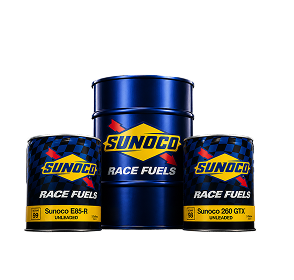
Step 1: A street-legal, 100-octane fuel like Sunoco 260 GT represents a solid first step up from pump fuel, Santner explains. The extra octane creates a safe space to push and tune the vehicle, he says, but a special setup isn’t required.
Like all Sunoco Race Fuels, he notes, this one is always made to the same recipe–meaning you won’t have to alter your tune. Pump fuels, on the other hand, can change according to season, location or brand. Sunoco GT also doesn’t require any special handling. (For those living in California, Sunoco offers SS 100, a similar product.)
Step 2: If you need more octane for the headroom to push things further, Sunoco offers 260 GT Plus. This one carries a 104-octane rating, meaning it can withstand more boost and more compression. But there are some tradeoffs, Santner notes. First, this unleaded fuel isn’t a street-legal product. Also, that extra octane comes courtesy of more ethanol plus MMT, an octane booster. That elevated ethanol content might require a tune that delivers more fuel, while sunlight can degrade the MMT–special handling and storage required.
Step 3: The 105-octane rating of Sunoco’s Evo 10 might not sound like a big jump up, but this fuel is highly oxygenated via an extra dose of methanol. That methanol will help reduce heat, Santner explains, a big plus for forced induction engines. The cautions here? Special handling, since this fuel also contains MMT and, again, more tuning. “You’re going to need 5% more fuel volume than GT Plus,” Santner advises.