.svg)


105 Octane Gas: What It Is, Who Needs It, and When Racers Should Use It
From the editors of
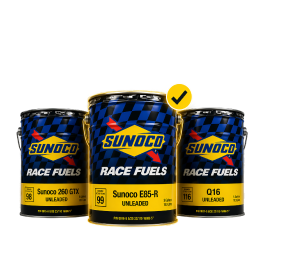
So many race fuels, so many choices. How to further narrow down the field? First, let’s assume that we’re talking about a modern, fuel injected car. Right away that discounts all of the leaded products. Zachary J. Santner, senior specialist of quality at Sunoco, notes that just four products would then cover many popular situations.
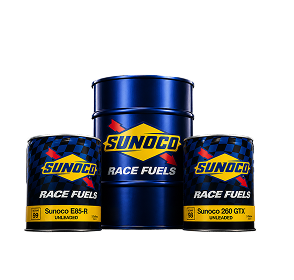
Street-Legal: Most race fuels are not approved for street use. In fact, 260 GT is the only Sunoco race fuel to carry 49-state approval. (SS 100 could be called the brand’s California equivalency.) What does 260 GT offer over pump fuel? 100 octane. It’s also a highly refined, fast-burning product, Santner explains. “Some people have noticed that instead of black exhaust tips they see gray or nothing there because it burns so much cleaner,” he adds. Another benefit: longer shelf life than pump fuel.
More Power: A very popular fuel among those seeking max power from modern cars is 260 GT Plus, Santner explains. It’s a 104 octane fuel that contains 13% ethanol. “That little extra ethanol helps with performance,” he explains. “You can tune more on it due to the octane.”
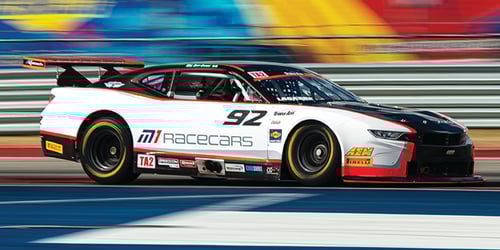
More Acceptance: Santner says that their 260 GTX is popular even though its octane rating is just 98. The reason? No alcohol. “Many racing series don’t want [ethanol] because it masks other chemicals that can be added to enhance power,” he explains. “Many series only test two properties at the track: specific gravity and dielectric constant. Gasoline has a pretty narrow dielectric constant range, but when you add ethanol, the range gets too wide to use the test.” Sunoco 260 GTX is a spec fuel for several series, including Trans Am.
More Alcohol: For those looking for all the ethanol, E85-R has been popular, Santner continues. Where the amount of ethanol in the E85 found at the corner pump can range from 51% to 83%, E85-R always contains 85%.