.svg)

105 Octane Gas: What It Is, Who Needs It, and When Racers Should Use It
Race fuel isn't often sold at regular gas stations. If you need high-octane fuel for your performance engine or race car, you're working within a specialized distribution network that serves racers, engine builders, and serious performance enthusiasts through dedicated channels such as performance shops, authorized distributors, and racetracks.
Finding race fuel requires different tools than locating pump gas. Generic searches for "fuel near me" return gas stations selling 87-93 octane consumer gasoline, not the 95-118 octane race fuel formulations that high-compression engines and boosted applications demand. You need purpose-built resources designed specifically to connect racers with legitimate race fuel sources.
This guide shows you exactly how to find race fuel locally, introduces the tools that simplify the search process, and helps you understand what to consider when selecting fuel for your application. Whether you're sourcing fuel for the first time or planning fuel strategy for an away race, you'll have actionable information that gets you from search to secured fuel efficiently.

Why Race Fuel Isn't at Gas Stations
Race fuel exists in a completely different distribution network than pump gas. While gas stations are everywhere serving millions of daily consumers, race fuel serves a specialized market through dedicated channels. It's sold through distributors who understand the product, at racetracks that cater to competitors, and at performance shops that stock it for racing customers.
When racers search "fuel near me," they're not looking for any fuel. They're looking for specific octane ratings, particular formulations (oxygenated versus non-oxygenated, leaded versus unleaded), and consistent quality that won't vary batch to batch. Generic gas station locators can't help because race fuel typically isn't sold there. You need different tools designed specifically for finding racing fuel sources.
The Sunoco Fuel Finder: Your Primary Tool
The single most effective way to find race fuel near you is the Sunoco Race Fuels Fuel Finder, designed specifically to solve the location problem racers face. Unlike generic gas station locators that return irrelevant results, this tool connects you directly with dealers, distributors, and tracks that actually carry race fuel products.
How to Use the Fuel Finder
Access the Fuel Finder through the Sunoco website and enter your location using your current position, a specific address, or the zip code where you need fuel. This could be your home base, the location of an upcoming race, or anywhere you need to source fuel. The tool displays nearby dealers and distributors on an interactive map, showing you exactly where race fuel is available relative to your location.
Each result includes essential information: the dealer's name and contact information, their physical address for navigation, and what products they carry or can order. Filter results by product type or octane rating if you already know what you need. Looking specifically for 110 octane leaded fuel? The filter shows only dealers carrying that specification. Need unleaded formulations for your emissions-compliant build? Filter accordingly.
What You'll Find in Results
Fuel Finder results typically include authorized dealers and distributors who stock Sunoco products for regular sale to racers. These businesses understand race fuel, maintain proper storage, and can answer technical questions about applications. You'll also see track-side sources where racetracks themselves carry Sunoco fuel for competitor use, particularly valuable when planning for away races. Performance shops and speed shops that cater to racing customers often appear in results as well, providing local expertise and convenience.
The Fuel Finder is regularly updated as dealer networks change, so you're getting current information rather than outdated listings that waste your time. This reliability makes it far more valuable than generic searches or outdated forum posts about where to buy fuel.
Planning for Away Races
Before traveling to a new track, use the Fuel Finder to identify fuel sources near the venue. Map out where dealers are located relative to your hotel or the track itself. Check what products they carry to ensure they stock the specific fuel your engine requires. Call ahead to verify availability, hours, and whether they require minimum purchase quantities. Some dealers operate by appointment rather than maintaining retail hours.
Consider identifying backup options. If your primary fuel source falls through, having a backup location already researched saves precious time during busy race weekends. This advance planning represents the difference between confidently arriving at the track ready to compete versus scrambling to locate fuel.
The Sunoco Fuel Selector: Matching Fuel to Your Needs
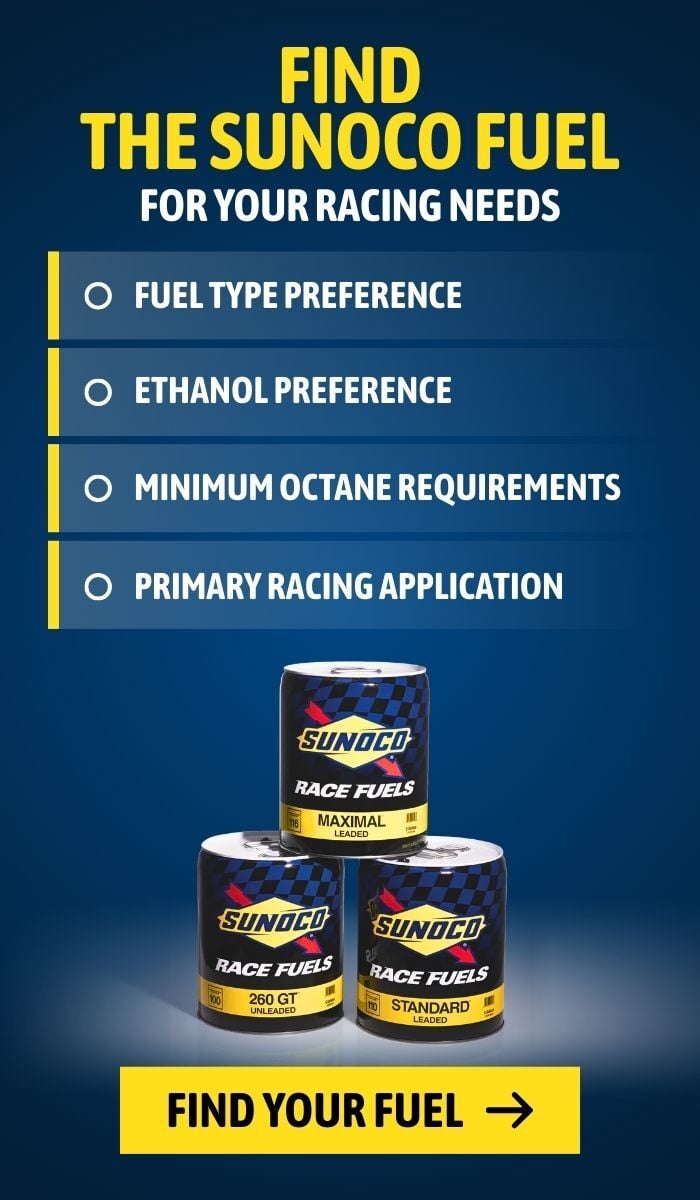
Finding where to buy fuel is only half the equation. The other half is knowing which fuel to buy for your specific engine and application. The Sunoco Fuel Selector solves this by helping you match your engine specifications and racing discipline to the appropriate fuel formulation.
How the Fuel Selector Works
The Fuel Selector guides you through questions about your engine and intended use, then recommends specific Sunoco products that fit your requirements. You'll identify your engine type and basic specifications: naturally aspirated or forced induction, compression ratio, whether you're using nitrous oxide. These characteristics dramatically affect octane requirements.
Next, specify your racing discipline. Drag racing, road course racing, oval track, and other formats place different demands on fuel. A drag car needs maximum detonation resistance for brief full-throttle bursts. An endurance car prioritizes thermal stability over extended stints. The Fuel Selector accounts for these different priorities when making recommendations. Understanding how different racing formats affect fuel selection helps you appreciate why these questions matter.
The tool also considers practical factors including whether you need street-legal unleaded formulations for emissions compliance, whether your class rules restrict certain fuel types, and what octane rating your tune requires. Based on your inputs, the Fuel Selector recommends specific products with explanations of why each fuel suits your application.
Why This Matters
Running the wrong fuel creates problems. Insufficient octane risks detonation that can destroy pistons and crack ring lands. Excessive octane wastes money without providing benefits. Oxygenated fuel in an application not tuned for it can cause lean conditions. The Fuel Selector prevents these mismatches by guiding you to appropriate products.
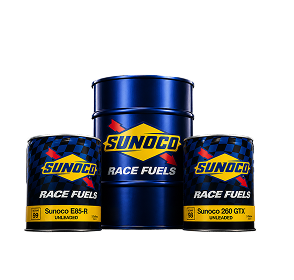
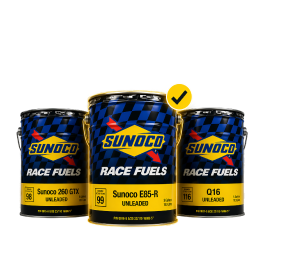
For naturally aspirated engines with moderate compression, it might recommend Sunoco 260 GT offering 100 octane in street-legal unleaded formulation. For high-compression or boosted applications, Sunoco Standard 110 octane or Sunoco Supreme 112 octane might be more appropriate.
Using Both Tools Together
Think of these tools as complementary. The Fuel Selector answers "what fuel do I need?" while the Fuel Finder answers "where do I get it?" Use them together for complete fuel planning. Start with the Fuel Selector to identify which product your engine requires. Once you know you need, for example, Supreme 112 octane, use the Fuel Finder to locate dealers near you who stock that specific product.
This two-step process ensures you're searching for the right thing in the right places. Without the Fuel Selector, you might waste time contacting dealers about products that won't suit your application. Without the Fuel Finder, you might spend hours trying to locate sources. Together, they streamline the entire process.

Other Ways to Find Race Fuel
While the Fuel Finder is your primary tool, a few other methods can help locate fuel sources.
Many racing venues carry Sunoco Race Fuels either through on-site pumps or distributors who set up during events. Check track websites or call their office to verify what fuel they have available. Track-side fuel provides maximum convenience since you don't need to transport fuel yourself. Racing sanctioning bodies often specify fuel availability in their event supplemental regulations.
Local racing communities provide valuable information about fuel sources. Racing forums, regional Facebook groups, and paddock conversations often reveal distributor information that doesn't show up in online searches. Performance shops that specialize in racing often stock race fuel or can order it for you, and some will store drums between races for regular customers.
For situations where you need fuel shipped, several online retailers sell race fuel in various package sizes. Consider shipping costs carefully since fuel is heavy and expensive to transport. A 54-gallon drum weighs over 400 pounds when full, creating substantial shipping charges.
Smart Search Tips
When searching beyond dedicated tools, use racing-specific terms. Search for "race fuel near me" or "110 octane fuel [your area]" instead of generic "fuel near me" to filter out gas station results. Add track names like "race fuel near Road Atlanta" to find dealers serving specific venues. Brand-specific searches like "Sunoco race fuel dealer [location]" find authorized dealers.
Use Google Maps for location-based searching to see geographic relationships between fuel sources and your location. When you identify potential sources, call ahead to verify they stock your specific product, confirm business hours and payment methods, and check current inventory levels if you need substantial quantities. This simple phone call prevents wasted trips.
Key Fuel Characteristics to Understand
If you're new to buying race fuel, understanding a few basic characteristics helps you search and select more confidently.
Octane rating measures fuel's resistance to detonation. Higher compression ratios and forced induction require higher octane for safe operation. Most street performance applications run 100 to 104 octane. Serious race applications often require 110 to 112 octane, with extreme combinations needing 114 to 118 octane.
Oxygenated versus non-oxygenated refers to whether fuel contains oxygen-bearing compounds. Oxygenated fuels can improve power when tuned appropriately but require richer air-fuel ratios. Non-oxygenated fuels offer better storage stability and simpler tuning.
Leaded versus unleaded determines compatibility with emissions equipment. Leaded fuel damages catalytic converters and oxygen sensors, making it unsuitable for street-driven vehicles. Unleaded formulations work with emissions equipment when required.
Your engine builder or tuner should specify minimum octane requirements based on your combination. If you're unsure what your engine needs, consult your builder before purchasing fuel.
Quick Answers to Common Questions
Can I buy race fuel at regular gas stations? No, race fuel is distributed through specialized dealers, racetracks, and performance shops. Some gas stations may have 5-gallon pails or rarely 100-octane race gas on a pump, but they are not common.
How far should I drive for race fuel? For occasional five-gallon purchases, most racers consider 30 minutes to an hour reasonable. For drum purchases lasting multiple races, some drive several hours for good pricing and service.
What if there are no nearby dealers? Expand your search radius, contact Sunoco to inquire about dealer development in your region, check if your local track carries Sunoco products, or connect with other racers to learn how they source fuel.
Should I call before visiting? Always call ahead to verify they have your specific product in stock, confirm hours, and ensure they can accommodate your purchase quantity and payment method.
Can I have race fuel delivered? Many dealers offer delivery for drum quantities, though delivery fees apply. Online retailers ship race fuel but shipping costs can be substantial due to weight.
When Local Options Are Limited
If nearby sources are scarce, consider coordinating with teammates or other racers to share drum purchases. Team purchases justify longer drives and provide per-gallon cost savings. Some performance shops will order specific products for you even if they don't regularly stock them, or will store drums for regular customers.
If the Fuel Finder shows no nearby dealers in your region, contact Sunoco to inquire about dealer development in your area. Information about demand helps them prioritize expanding coverage to underserved markets. Review guidance on proper fuel storage and handling if you're buying in larger quantities to store between races.
Find It, Select It, Race with Confidence
Finding race fuel doesn't need to be the frustrating scavenger hunt many racers experience when they first search "fuel near me" and discover only gas stations. By using tools designed specifically for racers, you can quickly locate nearby sources and identify the right product for your application.
The process is straightforward: Use the Fuel Selector to determine which fuel your engine requires based on compression ratio, induction type, and racing discipline. Then use the Fuel Finder to locate nearby dealers, distributors, or tracks that stock that specific product. Call ahead to verify availability and hours. Plan your pickup or delivery. Focus on racing rather than fuel logistics.
For away races, fifteen minutes with these tools before you leave home identifies your options, allows you to call ahead, and ensures fuel will be waiting when you need it. That preparation makes the difference between confidently arriving at the track ready to compete versus burning precious practice time searching for dealers.
Bookmark the Fuel Finder and Fuel Selector for quick access whenever you need them. Share these resources with teammates and fellow racers who face the same fuel sourcing challenges. When you know where to look and what to look for, finding race fuel becomes just another straightforward part of race preparation rather than an obstacle preventing you from competing.
Ready to locate race fuel near you? Start with the Fuel Finder to see what's available in your area, then use the Fuel Selector to match your engine's needs to the right product.