Fuel Storage & Stability
Preserve Performance and Protect Your Engine

 From race fuel shelf life to ethanol degradation, explore proven tips and purpose-formulated solutions for keeping fuel fresh and engines protected.

Race Fuel Storage 101: Shelf Life and Stability by Fuel Type

High-performance fuels require high-quality storage to maintain their chemical stability. Whether you're managing race blends, ethanol-based fuels, or non-oxygenated options, proper handling is essential for preserving fuel integrity.

Non-oxygenated fuels can last up to two years when sealed and kept in a cool, dark place. Oxygenated fuels are more volatile and typically have a shelf life of six to twelve months. Once opened, any fuel should be used within a few months to minimize oxidation and contamination.

Use tightly sealed, non-vented containers made of metal or approved HDPE plastic. Keep fuel away from light, heat, and moisture. Always label containers with fuel type and date opened, and avoid frequent transfers between containers to reduce the chance of degradation.
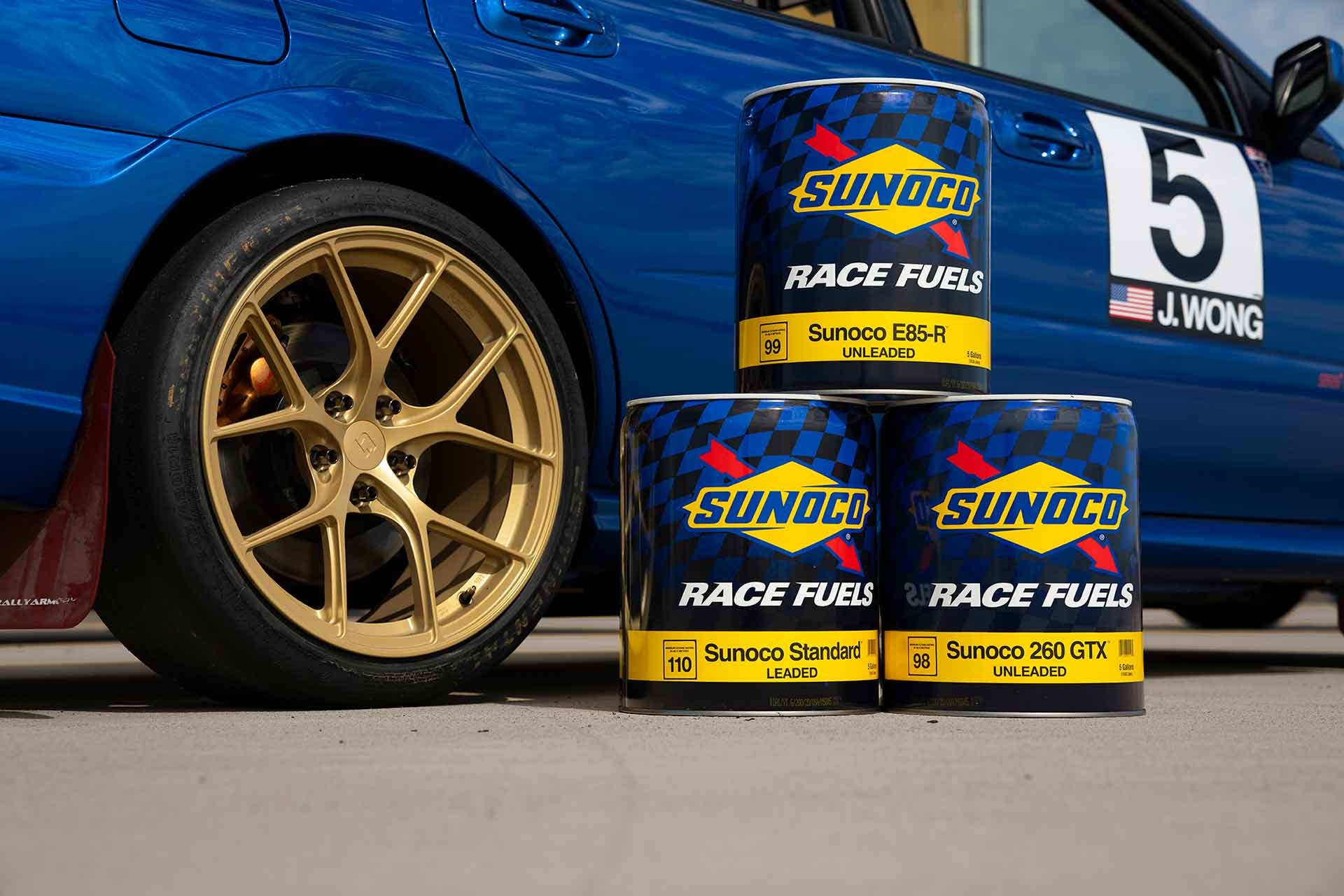

 

Sunoco Race Fuels
Race Cars with Sunoco Sign in Background

Ethanol Storage Considerations: Managing Moisture and Phase Separation

Ethanol-blended fuels are especially sensitive to moisture. Over time, they can absorb water from the atmosphere, causing phase separation. This breakdown leads to poor performance, corrosion, and even permanent engine damage, particularly in humid environments or vehicles left sitting.

To prevent this, store ethanol fuels in airtight containers with minimal airspace and stable temperatures. Avoid vented caps and do not leave tanks partially full. Add ethanol-compatible stabilizers if storage extends beyond 30 days. For seasonal vehicles or infrequent-use equipment, consider switching to ethanol-free fuels to avoid long-term risks.


Long-Term Vehicle Storage: Best Fuel Practices for Seasonal Use

When vehicles sit for weeks or months without running, untreated fuel can break down and damage fuel systems. For classic cars, powersports equipment, and seasonal machines, the best storage strategy includes:

  • Filling the tank with fresh, stabilized fuel
    Running the engine briefly to circulate fuel through the system
  • Parking in shaded or indoor spaces with steady temperatures
  • Sealing vents and disconnecting the battery for longer storage
  • Draining the fuel or switching to a purpose-formulated storage fuel after six months

This minimizes varnish buildup, gumming, and injector or carburetor failure at startup.

 

Race Car Wheel in Snow

Why Optima is the Ideal
Long-Term Fuel Solution

Optima is a high-stability, ethanol-free fuel designed specifically for long-term storage. It resists oxidation, is not susceptible to moisture absorption, and maintains its volatility far longer than pump gas. This makes it ideal for:

  • Classic cars and collector vehicles stored seasonally
  • Lawn equipment and power tools used sporadically
  • Small engines prone to hard starts or ethanol-related issues

Optima delivers clean combustion and consistent starts without the risk of separation or system damage. It's the right choice when downtime is measured in months and reliability matters every time you turn the key.

Pro Storage Tips
for Fuel Longevity

  • Use sealed, high-quality containers made for fuel
  • Label every container with the date and fuel type
  • Store fuel in dry, shaded spaces away from extreme temperatures
  • Avoid opening and resealing containers repeatedly
  • Add stabilizers to any ethanol fuel stored longer than 30 days
  • For ethanol storage, consider vapor barriers or desiccant breathers to control moisture exposure


Why Optima is the Ideal
Long-Term Fuel Solution

Optima is a high-stability, ethanol-free fuel designed specifically for long-term storage. It resists oxidation, is not susceptible to moisture absorption, and maintains its volatility far longer than pump gas. This makes it ideal for:

  • Classic cars and collector vehicles stored seasonally
  • Lawn equipment and power tools used sporadically
  • Small engines prone to hard starts or ethanol-related issues

Optima delivers clean combustion and consistent starts without the risk of separation or system damage. It's the right choice when downtime is measured in months and reliability matters every time you turn the key.


Pro Storage Tips
for Fuel Longevity

  • Use sealed, high-quality containers made for fuel
  • Label every container with the date and fuel type
  • Store fuel in dry, shaded spaces away from extreme temperatures
  • Avoid opening and resealing containers repeatedly
  • Add stabilizers to any ethanol fuel stored longer than 30 days
  • For ethanol storage, consider vapor barriers or desiccant breathers to control moisture exposure

Related Blog Articles

Learn More About Fuel Storage and Engine Protection

Does Higher Octane Fuel Last Longer?
Octane Rating

Does Higher Octane Fuel Last Longer?

by Sunoco
Does higher octane fuel last longer? We break down fuel chemistry, storage stability, and the real factors that determine shelf life.
How to Choose the Best Fuel for Your EFI Conversion or Restomod Build
Race Fuel Storage

How to Choose the Best Fuel for Your EFI Conversion or Restomod Build

by Sunoco
Choosing fuel for an EFI or restomod build? Learn what octane, ethanol, and fuel stability really matter for performance and reliability.
Why Storage Matters: Keeping Race Fuel at Peak Quality
Race Fuel

Why Storage Matters: Keeping Race Fuel at Peak Quality

by Sunoco
Proper race fuel storage protects octane, power, and engine health. Learn Sunoco’s expert tips to keep your fuel stable and race-ready longer.

Fuel Storage & Maintenance Frequently Asked Questions

How long does race fuel last in storage?

Non-oxygenated race fuels can last up to two years when stored in sealed containers away from light and heat. Oxygenated fuels typically have a six to twelve month shelf life. Once opened, any fuel should be used within a few months to minimize oxidation and maintain performance characteristics.

Ethanol fuels absorb moisture from the atmosphere, leading to phase separation where water and ethanol separate from gasoline. This breakdown causes poor engine performance, fuel system corrosion, and potential permanent damage. Humid environments and partially filled tanks accelerate this process, making proper sealing and storage critical.

Use tightly sealed, non-vented containers made of metal or approved HDPE plastic. Keep containers away from sunlight, temperature extremes, and moisture. Always label with fuel type and date opened, and minimize transfers between containers to reduce contamination and evaporation.


For storage under six months, fill the tank with fresh, stabilized fuel and run the engine briefly to circulate it through the system. For longer storage, either drain the fuel completely or switch to a purpose-formulated storage fuel like Optima to prevent varnish buildup, gumming, and fuel system damage.

Optima is ethanol-free and engineered to resist oxidation and moisture absorption far longer than pump gas. It maintains volatility during extended storage, prevents phase separation, and delivers consistent starts without fuel system degradation. This makes it ideal for classic cars, lawn equipment, and any engine stored for months at a time.

Explore Reliable Fuel Storage Solutions

Fuel storage is more than a seasonal task. With the right fuel and the right strategy, you can preserve engine health, reduce maintenance costs, and ensure performance is always ready when you are.