.svg)



105 Octane Gas: What It Is, Who Needs It, and When Racers Should Use It
From the editors of
Gas stations can be found on nearly every major intersection. Finding one that sells race fuel, though, can be a little tougher.
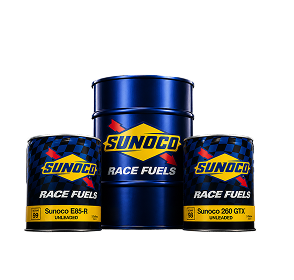
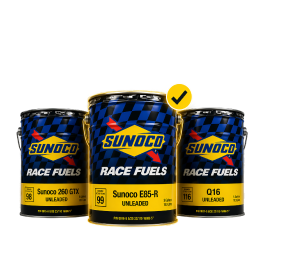
In addition to 54-gallon drums and bulk quantities, race fuels are usually also available in 5-gallon pails. These smaller containers open up the distribution network, eliminating the pumps and infrastructure usually associated with gas stations.
Where to Find Race Fuel
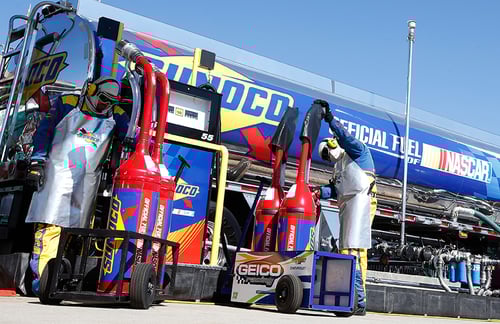
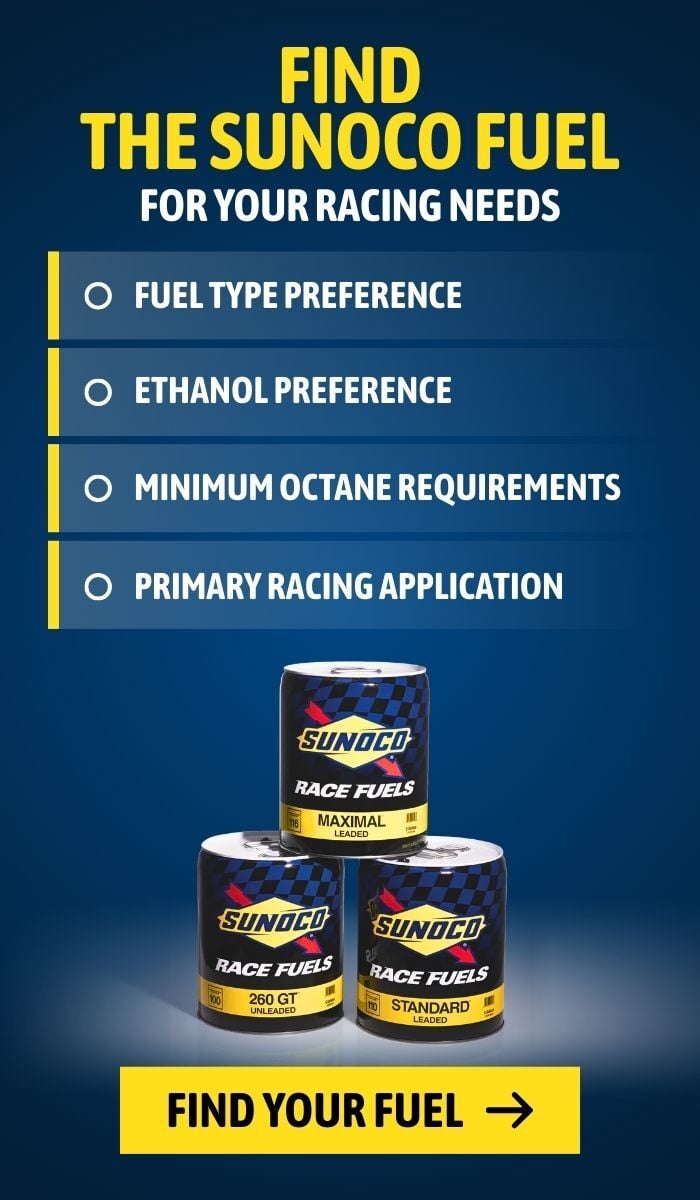
Finding Fuel: Sunoco maintains a Fuel Finder tool that lists We just checked Sunoco Race Fuels’ website for the greater Daytona Beach area–home base for Grassroots Motorsports–and were rewarded with a long list of retail outlets. The closest to us is Daytona International Speedway–not a surprise since Sunoco is the official fuel of NASCAR. Next on the list is our local speed shop. Then it’s a mix of fuel distributors, motorcycle shops, racetracks, traditional gas stations and other businesses that serve the hobby–an alignment shop, for example, popped up in our results.
Want a deeper breakdown of how to locate the best outlets near you? See our guide on Where to Buy Racing Fuel, which covers in-store, trackside, and distributor options.
Shipping Options for Race Fuel
Shipping Fuel: Some companies and retailers will also ship those 5-gallon pails directly to your doorstep, although Fred McConnell, Director of Fuels Marketing & Motorsports at Sunoco, reminds us that the freight bill must be considered. If your local outlet doesn’t stock your preferred blend, he offers a less expensive alternative: Contact your regional distributor. With enough of a heads-up, they can likely add your fuel to one of their regular stocking orders.
How to Store Race Fuel Properly
Storing Fuel: Properly storing that fuel, assuming that it’s not used right away, can lengthen its shelf life. The Sunoco Race Fuels website offers some handy storage tips: Keep the containers full, tightly sealed, and away from daylight and major temperature swings. “Perfectly stored, most race fuels will last more than a year,” their website says. “If you are not sure you can use the fuel up within two years, add a quality fuel stabilizer to the fuel as soon as you purchase it.”
For more detailed storage recommendations—including how heat, sunlight, and ventilation affect fuel quality, see Why Storage Matters: Keeping Race Fuel at Peak Quality.