Understanding Octane
What the Number on the Fuel Drum Actually Means

Octane is the most talked-about, least understood number in racing fuel. Here's what it actually measures, how it's calculated, and how to know how much your engine really needs.

What Octane Rating Actually Measures

Octane rating is a measurement of a fuel's resistance to detonation: the uncontrolled, premature ignition of the air-fuel mixture caused by heat and pressure in the combustion chamber, rather than the spark plug firing at the intended moment. Detonation, also called knock or pinging, creates uncontrolled pressure spikes that can damage pistons, rings, and bearings in a high-performance engine.

Octane is not a measure of energy content. Two fuels can have identical octane ratings and deliver very different performance depending on their additive chemistry, volatility, and consistency. The number on the drum tells you how much detonation resistance you're getting. It does not tell you how clean the fuel burns, how it stores, or how it performs under load. That's why batch-to-batch consistency matters as much as the octane figure itself.
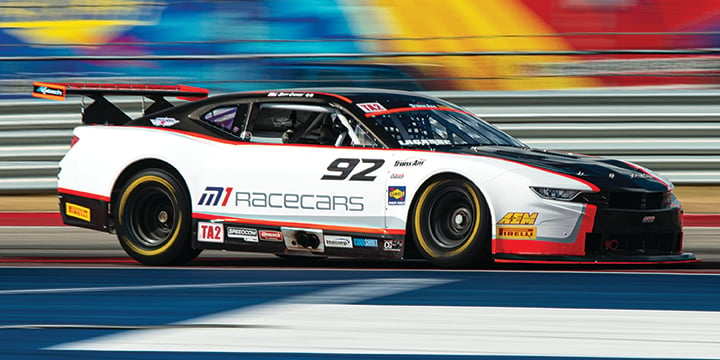
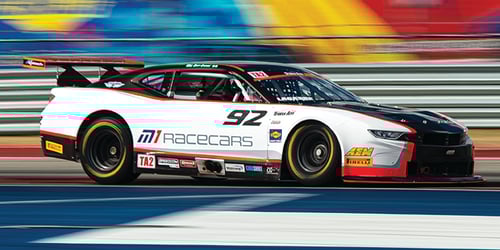
Race Car

How Octane Is Measured: RON, MON, and the (R+M)/2 Method

Octane rating isn't a single test. It's a combination of two separate measurements, each run under different engine conditions.

  • Research Octane Number (RON): Measured under milder, lower-RPM test conditions that approximate normal driving. RON tends to produce a higher number and reflects how a fuel resists knock during gentler acceleration.
  • Motor Octane Number (MON): Measured under more severe conditions: higher RPM, higher intake temperature, and more advanced ignition timing. MON produces a lower number than RON for the same fuel and better reflects performance under real racing load.
  • The (R+M)/2 Method: The rating posted on Sunoco pumps and fuel drums is the average of RON and MON, the industry-standard method used across the United States. This is why the number you see is sometimes called the "pump octane number" or anti-knock index (AKI).

Combining both numbers gives a more complete picture than either test alone. A fuel that performs well under mild RON conditions but falls apart under severe MON conditions would be a poor choice for a high-compression race engine, even if its RON number looked strong in isolation.

Octane Myths and
Misconceptions

Octane may be the most misunderstood spec in racing fuel. Here's what the science actually says.

  • Myth: Higher octane always means more power. Octane measures knock resistance, not energy content. Running SR18 in an engine that only requires 100 octane won't add horsepower. The benefit only shows up in engines that actually need the extra detonation protection.
  • Myth: Pump gas plus an octane booster equals race fuel. Octane boosters can raise the number, but they don't replicate the additive packages, volatility control, or batch-to-batch consistency purpose-built race fuel is engineered around. Mixing in pump gas also introduces its seasonal and regional inconsistency into the blend, undermining the very consistency race fuel is designed to provide.
  • Myth: All fuels at the same octane number perform identically. Two 116-octane fuels can be formulated for very different priorities: one built around shelf-life stability, another around multi-discipline versatility. The octane number is a starting point, not the whole spec sheet.
  • Myth: You should always run the highest octane available "to be safe." Running more octane than an engine requires provides no performance benefit and adds unnecessary cost. Matching octane to your actual compression, boost, and timing is the correct approach.

Sunoco Octane Bands at a Glance

Octane requirements come down to three factors: compression ratio, forced induction, and ignition timing. As any of these increase, so does the octane needed to prevent detonation. Engines in the 11:1 to 12:1 range typically fall at the lower end of the race fuel spectrum; anything above 13:1, running boost, or supporting aggressive timing generally requires the top of the range.

This is a general guide, not a substitute for your engine builder's tuning specifications. For full product details and the complete lineup, visit High Octane Race Fuel or use the Fuel Selector.
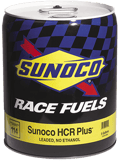
Tuning For Motorcycle Racing Performance 

Motorcycle tuning requires balancing maximum power with precise throttle control. High-revving engines demand fuels that maintain combustion stability across wide RPM ranges while supporting aggressive timing at peak power.


  • Ignition timing: Higher octane enables more aggressive timing at high RPM without detonation
  • Air-fuel ratios: Proper fuel delivery across the entire rev range ensures smooth power and rider control
  • Throttle response: Consistent fuel quality delivers predictable power application in corners and acceleration zones
  • Thermal management: Race fuels help manage cylinder temperatures during sustained high-RPM operation

Fuel Storage and Handling for Racers

Motorcycle fuel systems are smaller and more sensitive to fuel quality than automotive applications. Proper storage prevents contamination and maintains fuel integrity between race weekends or track days.

  • Use sealed, opaque containers and label with fuel type and purchase date
  • Store fuel in climate-controlled environments away from heat and UV exposure
  • Drain fuel systems for off-season storage or switch to long-term storage fuels
  • For ethanol-based fuels, use within 30 days for optimal performance
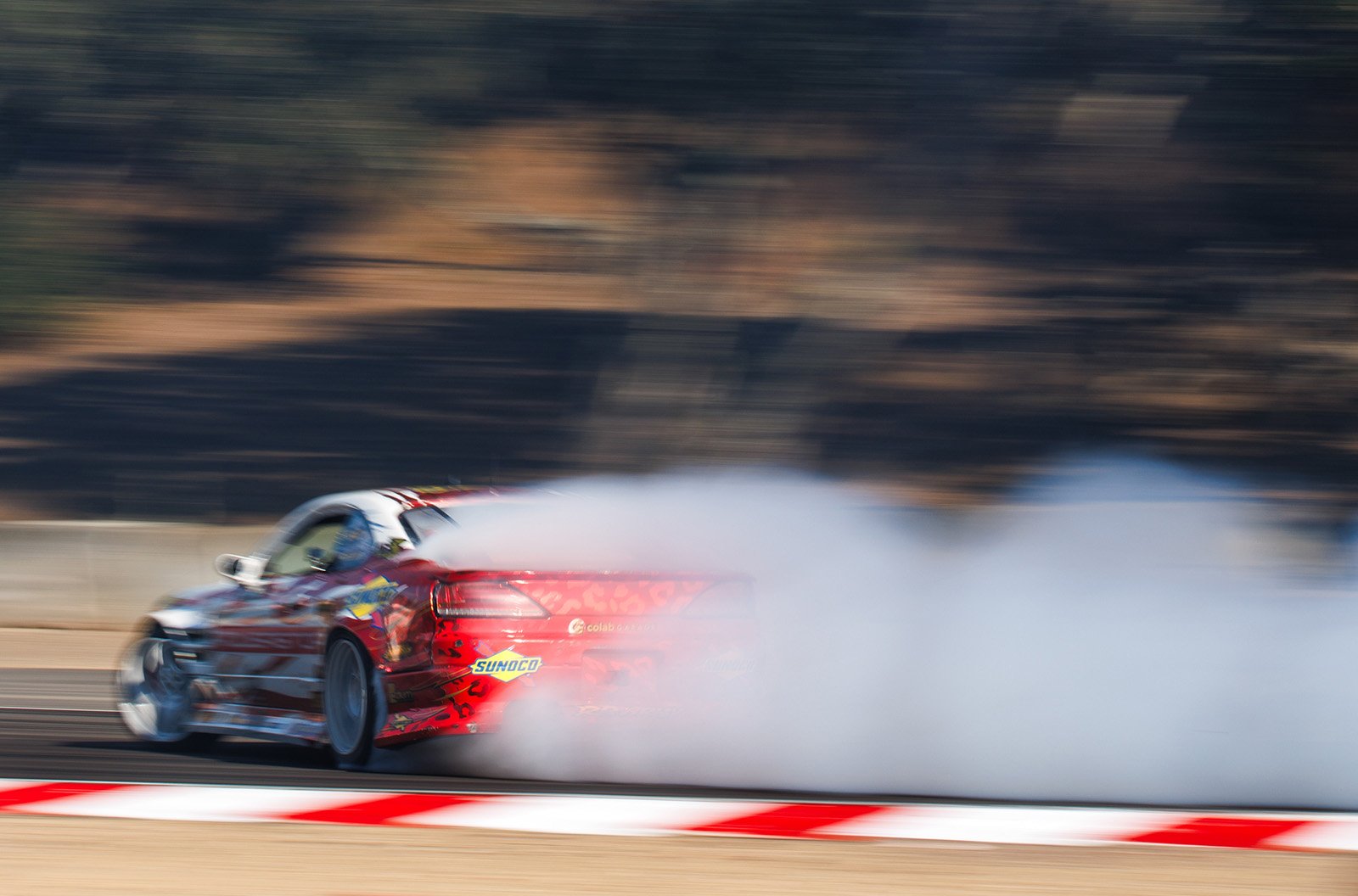
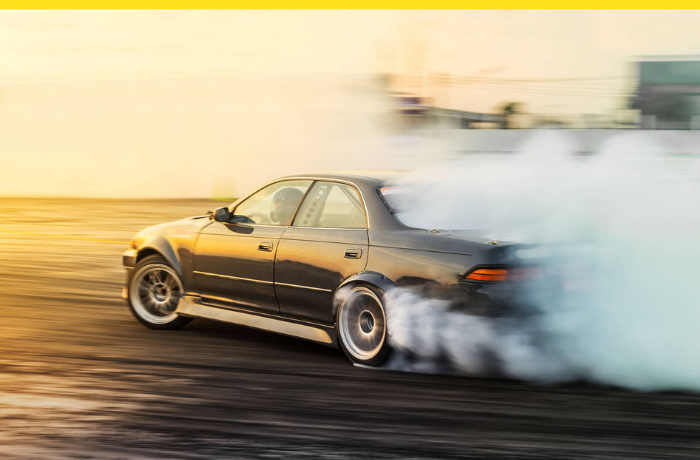
Sunoco Race Car with Smoke

Octane and Fuel Stability

Octane rating and shelf life are related but separate specs, a common point of confusion. Higher octane does not automatically mean a fuel lasts longer in storage; shelf life depends more on additive chemistry and formulation than on the octane number itself. Some of Sunoco's longest-lasting fuels, like DXP and HCR Plus at 114–116 octane, are rated for three years or more, while other formulations at different octane levels hold two years or more. For complete storage and shelf-life guidance by product, see the Fuel Storage & Maintenance guide.
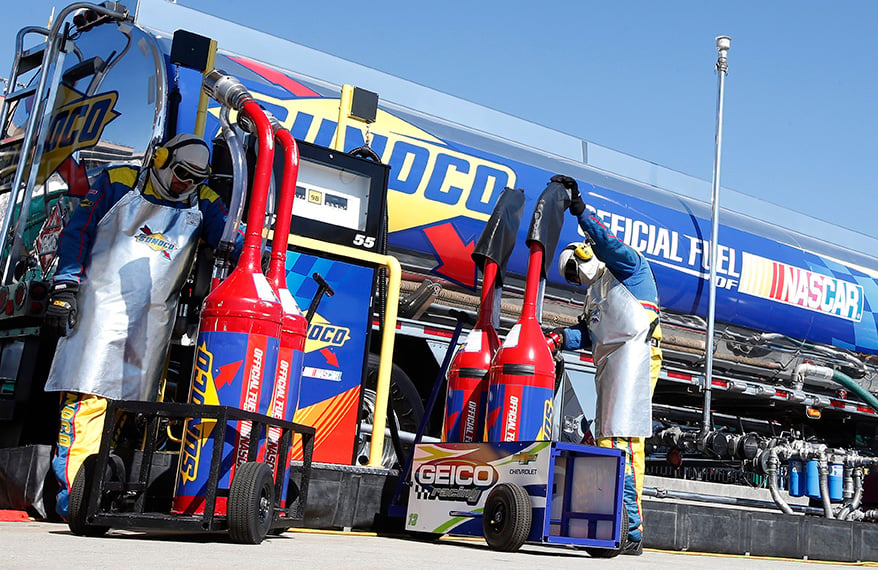
Sunoco Race Fuel Tanks and Truck

Octane Terms Explained

  • Knock / Detonation: Uncontrolled, premature ignition of the air-fuel mixture caused by heat and pressure, rather than the spark plug firing on schedule. This is what octane rating protects against.
  • RON (Research Octane Number): Octane measured under milder, lower-load test conditions approximating normal driving.
  • MON (Motor Octane Number): Octane measured under more severe, higher-load conditions closer to real racing demands. Typically lower than RON for the same fuel.
  • AKI (Anti-Knock Index): The (R+M)/2 average of RON and MON, the number posted on U.S. fuel pumps and drums, including Sunoco's.
  • Pre-ignition: A related but distinct condition where the mixture ignites before the spark fires due to a hot spot in the combustion chamber (such as carbon buildup), rather than pressure alone. Octane rating helps resist knock but does not eliminate mechanical causes of pre-ignition.

High Octane
Racing Fuels

Explore Sunoco's full leaded lineup from 110 to 118 octane and find the exact product matched to your compression ratio and application
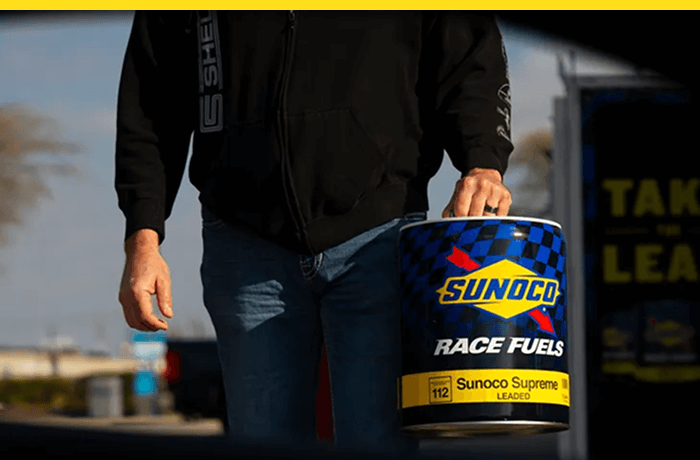
Sunoco
Race Fuels

Get the broader picture of what makes race fuel different from pump gas, including ethanol, the Double Distilled™ process, and fuel science fundamentals
Ethanol Fuel & Blends
Resource Center

Learn how ethanol's naturally high octane and oxygen content deliver measurable performance gains in properly tuned engines.

Dirt Track Racing Fuels

From sprint cars to late models, discover fuels built for traction, throttle response, and lap-after-lap consistency on clay and dirt surfaces.

Powersports Racing Fuels

Maximize off-road performance with fuels engineered for motocross, UTVs, and high-RPM powersports applications. 

Understanding Octane Frequently Asked Questions

What does octane rating actually measure?

Octane rating measures a fuel's resistance to knock, or detonation. It is not a measure of energy content or power output. The uncontrolled ignition of the air-fuel mixture caused by heat and pressure, rather than the spark plug firing on schedule, is what octane resists.

RON (Research Octane Number) is measured under milder test conditions, while MON (Motor Octane Number) is measured under more severe, higher-load conditions and typically produces a lower number. The octane rating posted on U.S. fuel pumps and drums, including Sunoco's, is the average of the two, known as the (R+M)/2 method or anti-knock index.

Not on its own. Octane measures detonation resistance, not energy content. Running a higher-octane fuel than your engine requires provides no power benefit. The power gains associated with higher octane come from the aggressive timing, compression, or boost that fuel makes possible, not from the octane number itself.

Octane requirements depend on compression ratio, forced induction, and ignition timing: the higher any of these are, the more octane your engine needs to resist detonation. Your engine builder's tuning specifications are the most reliable reference. The Sunoco fuel selector can also help narrow the choice based on your application.

Blending is possible and some racers do it to reach a target octane between two available products. Keep in mind that blending can also mix different additive packages and formulation priorities, which may affect tuning consistency. For predictable results, running a single purpose-formulated fuel at the correct octane is the more reliable approach.

Not necessarily. Shelf life depends more on a fuel's additive chemistry and formulation than on its octane rating. Some Sunoco fuels are rated for three years or more regardless of where they sit in the octane range, while others hold two years or more. Check the specific product's storage rating rather than assuming octane and shelf life are directly linked.

Quickly and efficiently build the materials you need to support your inbound marketing strategy. Drag and drop building blocks including testimonials, forms, calls-to-action, and more.

Octane measures knock resistance, not energy content. Running SR18 in an engine that only requires 100 octane won't add horsepower. The benefit only shows up in engines that actually need the extra detonation protection to support higher compression, boost, or timing.

Octane boosters can raise the number but don't replicate the additive packages, volatility control, or batch-to-batch consistency that purpose-built race fuel is engineered around. Mixing pump gas into the blend also introduces seasonal and regional inconsistency that race fuel is specifically designed to eliminate.

No. Two 116 octane fuels can be formulated for very different priorities — one built around shelf life stability, another around multi-discipline versatility. The octane number is a starting point, not the whole spec sheet.

Running more octane than your engine requires provides no performance benefit and adds unnecessary cost. Matching octane to your actual compression, boost, and timing is the correct approach.

Related Blog Articles

Learn More About Octane and Fuel Science
100 Octane Gas: What It Is, Who Needs It, and When It Makes Sense

100 Octane Gas: What It Is, Who Needs It, and When It Makes Sense

Understanding 100 octane requires looking beyond the number on the fuel drum to examine what octane rating actually represents, which engines genuinely benefit from higher knock resistance, and how fuel consistency affects performance beyond simple octane specifications.
Understanding Octane: How to Pick the Right Rating for Your Racing Engine

Understanding Octane: How to Pick the Right Rating for Your Racing Engine

Learn how octane rating impacts power, tuning, and engine safety. Discover how to choose the right fuel for your compression ratio and boost level.
How Sunoco Fuels Support Modern Emissions-Compliant Race Cars

How Sunoco Fuels Support Modern Emissions-Compliant Race Cars

Sunoco’s advanced unleaded race fuels deliver power, protect emissions systems, and meet modern racing regulations without sacrificing performance.

Find the Right Octane for Your Build

Understanding what octane rating measures is the first step. Matching the right number to your compression ratio, forced induction, and tuning goals is what actually protects your engine and unlocks consistent performance.

Octane isn't the whole story, though. Two fuels can share the same number and behave very differently once they're in your tank, which is why Sunoco's Double Distilled™ process matters as much as the rating itself. It's what makes sure the octane on the label is the octane you actually get, batch after batch. Explore Sunoco's full high octane lineup or talk to our technical team to find your match