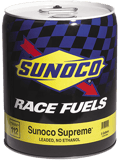
High Octane Race Fuel
Built for Engines That Demand More

High-compression and forced induction engines demand more than pump gas can deliver. Sunoco high octane race fuels provide the detonation protection and consistency those builds require.


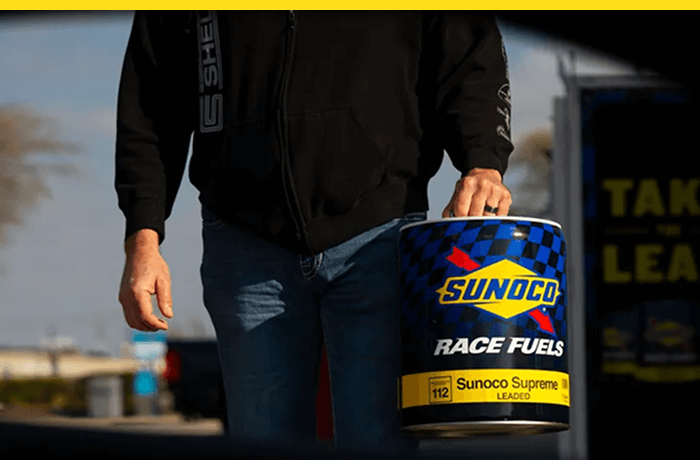
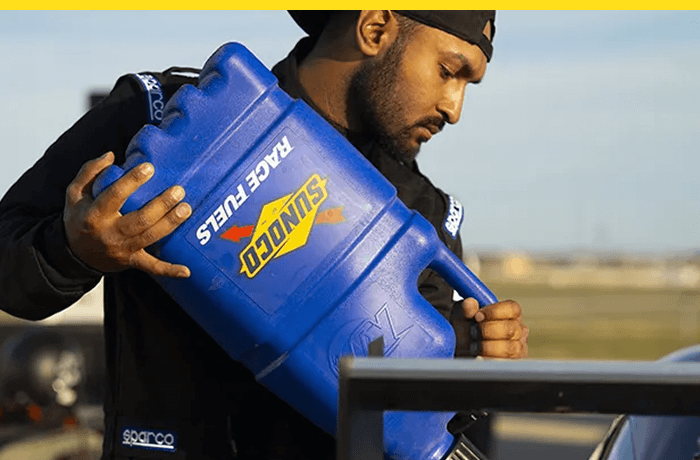
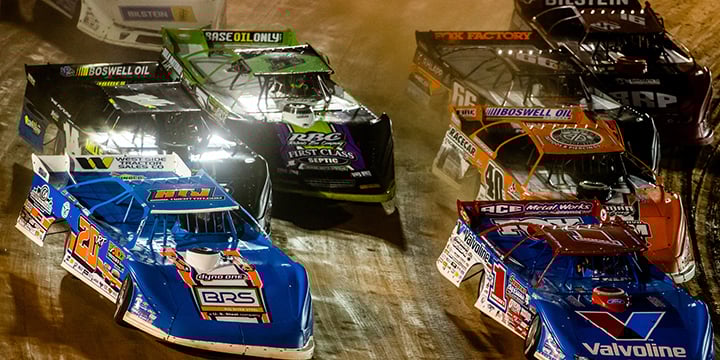
Late Model Race Cars

What Is High Octane Race Fuel?


Octane rating measures a fuel's resistance to detonation, the uncontrolled ignition that occurs when heat and pressure in the combustion chamber cause the air-fuel mixture to ignite before the spark plug fires. In a standard engine running modest compression, pump gas at 87 to 93 octane handles the job. In a high-compression race engine, a forced induction build, or a motor running aggressive ignition timing, that headroom disappears quickly.

High octane race fuel gives those engines the detonation resistance they require. Sunoco race fuels range from 112 to 118 octane in the leaded lineup and are formulated with the additive chemistry, batch-to-batch consistency, and fuel stability that high-performance applications demand.
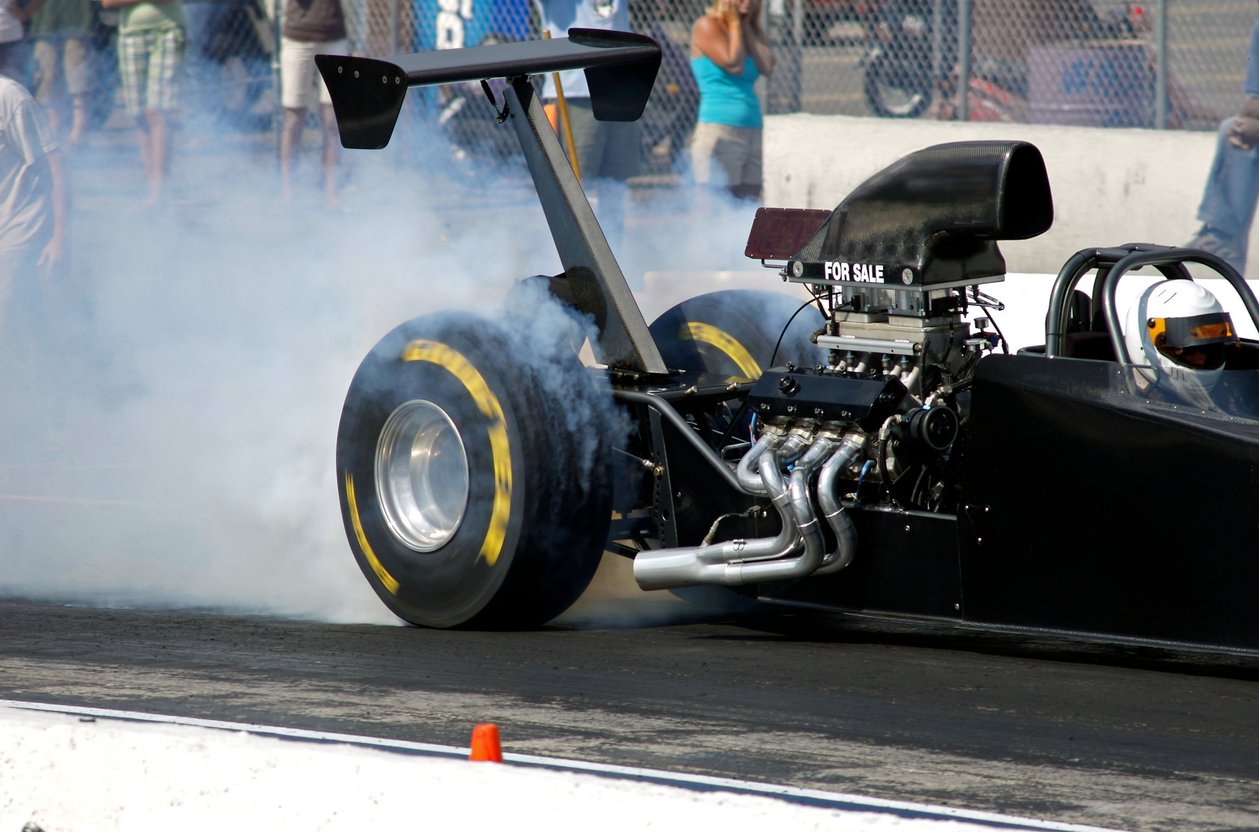
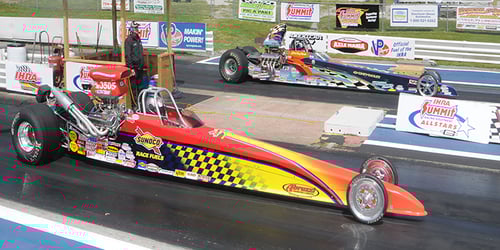
Drag Race Car

Why High Octane Race Fuel Matters

Two fuels can share the same octane rating and perform very differently under race conditions. Sunoco race fuels are built through the Double Distilled™ process, which removes impurities and produces a cleaner, more consistent fuel at the molecular level. Every batch is verified before it leaves the Marcus Hook facility, so the fuel in your engine today matches what performed at your last race.

One important note before selecting a fuel: most of Sunoco's high octane lineup is leaded, meaning these fuels are for off-road and racing use only and are not compatible with oxygen sensors or catalytic converters. If your vehicle runs on public roads or your class requires unleaded fuel, 260 GT or SS 100 are the right starting point.

What Is High Octane Race Fuel?

Octane rating measures a fuel's resistance to detonation the uncontrolled ignition that occurs when heat and pressure in the combustion chamber cause the air-fuel mixture to ignite before the spark plug fires. In a standard engine running modest compression, pump gas at 87 to 93 octane handles the job. In a high-compression race engine, a forced induction build, or a motor running aggressive ignition timing, that headroom disappears quickly.

High octane race fuel gives those engines the detonation resistance they require. Sunoco race fuels range from 110 to 118 octane in the leaded lineup and are formulated with the additive chemistry, batch-to-batch consistency, and fuel stability that high-performance applications demand. The number on the drum is a starting point, not the whole story.
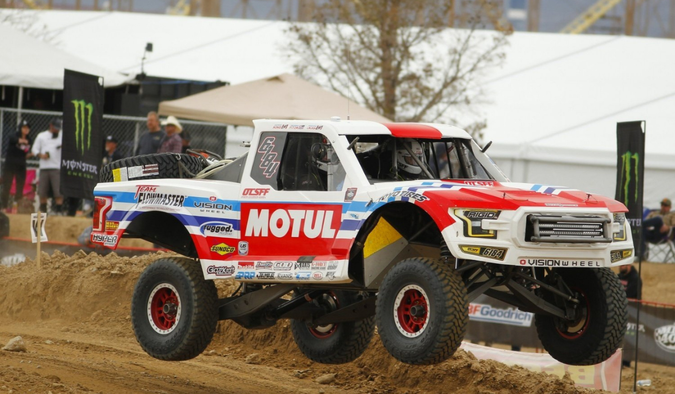


dirt

Sunoco High Octane Race Fuel Lineup

Sunoco's leaded race fuel lineup covers 112 to 118 octane, with each product engineered for a specific performance range. Matching the right fuel to your engine's requirements is the difference between a tuning baseline you can build on and a moving target you are always chasing.
Choosing the Right Octane
for Your Build

The right octane depends on compression ratio, forced induction, and ignition timing. These ranges are a starting point. Your engine builder's recommendation is always the most reliable reference.

  • 11:1 to 12:1 compression: Supreme and Standard cover most naturally aspirated builds in this range
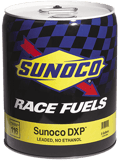
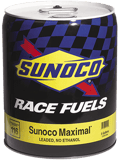
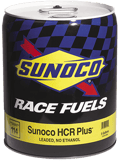
  • 12:1 to 13:1 compression, mild boost, or nitrous: HCR Plus, DXP, and Maximal are the typical options
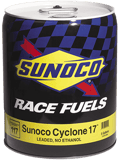
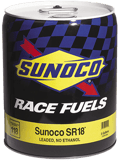
  • 13:1 and above, extreme forced induction, sprint cars, and late models: Cyclone 17 and SR18 are built for these combinations

The Sunoco fuel selector takes the guesswork out of the decision. Answer a few questions about your engine and it returns a matched recommendation from the full lineup.

Storage and Handling
Tips for High Octane Fuel

High octane race fuel lasts longer than pump gas but proper storage is still essential.

  • Store in sealed, opaque containers away from direct sunlight, heat, and moisture
  • Remove drum pumps after use and keep containers tightly sealed to slow oxidation
  • Label every container with fuel type, octane rating, and date of purchase
  • DXP and HCR Plus are rated at three years or more with proper storage.
  • SR18, Supreme, and Standard hold two years or more
  • For off-season storage, move fuel indoors where temperature swings are minimized

Drag Racing
Performance Tuning Tips

Drag racing tuning focuses on maximizing power output during peak acceleration while maintaining engine safety under extreme loads. Unlike circle track or road racing, drag engines operate at or near maximum output for the entire pass.

  • Ignition timing: Higher octane enables more aggressive timing for increased power without detonation
  • Air-fuel ratios: Drag racing often requires richer mixtures for maximum power and thermal protection
  • Boost control: Consistent fuel quality allows precise boost tuning without safety margins for fuel variations
  • Launch consistency: Repeatable fuel performance translates directly to consistent 60-foot times and ETs

Fuel Storage and Handling
for Drag Racers

Drag racing fuel management requires attention to detail, especially for teams running multiple classes or testing different combinations. Race fuel should be stored in sealed, labeled containers away from heat and direct sunlight.

  • Label containers with fuel type, octane rating, and date purchased
  • Use dedicated containers for each fuel type to prevent cross-contamination
  • Store fuel in climate-controlled environments when possible
  • Keep containers sealed between uses to prevent moisture absorption
  • Transport fuel in approved containers meeting safety regulations
  • For alcohol-based fuels, ensure all storage materials are alcohol-compatible

Drag Racing
Fuel Solutions

From sprint cars to late models, discover fuels built for traction, throttle response, and lap-after-lap consistency on clay and dirt surfaces. 

Ethanol Race
Fuel & Blends

Explore how purpose-engineered ethanol fuels like E85-R and E98 deliver high-octane performance, cooler combustion, and power gains for builds that can support ethanol tuning.

The Double Distilled™
Advantage

Discover how Sunoco's proprietary Double Distilled™ process creates race fuels with unmatched purity, consistency, and performance.

Dirt Track Racing Fuels

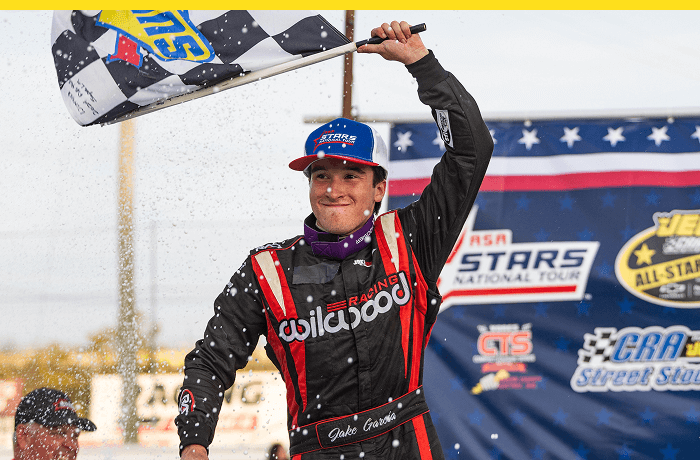
From sprint cars to late models, discover fuels built for traction, throttle response, and lap-after-lap consistency on clay and dirt surfaces.
Powersports Racing Fuels

Maximize off-road performance with fuels engineered for motocross, UTVs, and high-RPM powersports applications. 

High Octane Fuel Frequently Asked Questions

How do I know what octane rating my engine needs?

Start with your engine builder's recommendation, which is based on your specific compression ratio, camshaft profile, combustion chamber design, and tuning targets. If you are building without that guidance, the compression ratio ranges in the section above provide a general starting point. The Sunoco fuel selector can help narrow the field based on your application, and the technical team at 1-800-RACE-GAS is available for application-specific questions.

No. Octane rating measures detonation resistance, not energy content. Running SR18 in an engine that only requires 110 octane will not produce additional power. The benefit of high octane fuel is protecting engines that require it from knock and detonation. Matching octane to your engine's actual requirement is the right approach.

Blending is possible and some builders do it to reach a target octane between available options. Keep in mind that mixing a leaded race fuel with pump gas introduces the inconsistencies of pump gas into the blend, which can affect tuning stability and combustion behavior. Ethanol content in pump gas adds another variable that does not blend predictably with leaded race fuels. For consistent results, running a single purpose-formulated fuel is the better approach.


The leaded fuels covered on this page are for off-road and racing use only. Leaded fuel is not compatible with oxygen sensors, catalytic converters, or emissions equipment and is not legal for street use in the United States. Unleaded options like 260 GT and SS 100 at 100 octane are street legal in most areas for vehicles without emissions equipment restrictions. Always verify local regulations and sanctioning body rules before selecting a fuel.

Both fuels share the same octane rating but are formulated for different priorities. DXP is built around long-term storage stability, rated at three years or more under proper conditions, making it a strong choice for teams buying in bulk or running intermittent schedules. Maximal is built around broad application versatility, covering asphalt oval, dirt, drag, and road course use across a wide range of engine combinations. If storage life is the primary concern, DXP is the right call. If you are running multiple disciplines or want a single fuel that covers a range of builds, Maximal fits that role.

Shelf life varies by product. DXP and HCR Plus are rated at three years or more with proper storage. SR18, Supreme, and Standard hold two years or more. Store fuel in sealed, opaque containers away from heat, UV light, and moisture to preserve octane and combustion characteristics. See the storage section above or the Fuel Storage Guide for complete handling recommendations.

Related Blog Articles

Learn More About High Octane Race Fuels
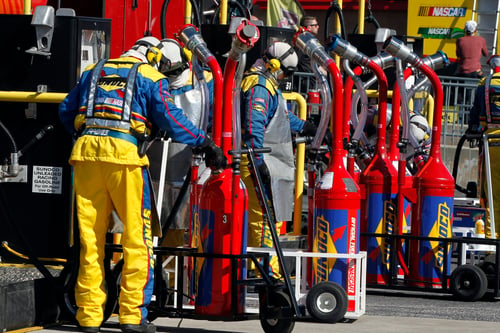
Boosted Engines 101: Best Fuel Strategies for Turbocharged and Supercharged Cars

Boosted Engines 101: Best Fuel Strategies for Turbocharged and Supercharged Cars

Fueling is critical for turbocharged and supercharged engines. Discover strategies with octane, ethanol, and race fuels to maximize power and reliability.
How to Choose the Best Fuel for Drag Racing

How to Choose the Best Fuel for Drag Racing

Learn how to choose the best drag racing fuel. Understand octane, oxygenation, and evaporation to match your engine, tune, and race day goals.
Racing Fuels 101: Why Leaded Fuels Still Matter

Racing Fuels 101: Why Leaded Fuels Still Matter

Learn why lead is used in racing fuels, how it boosts octane, and when leaded vs. unleaded fuel is right for your performance engine.

Find the Right High Octane Fuel for Your Build

From weekly circle track programs to national touring series and purpose-built drag cars, the right octane fuel is the foundation of a reliable, well-tuned engine combination. Sunoco's high octane leaded lineup covers 110 to 118 octane with the batch-to-batch consistency, additive chemistry, and shelf stability that serious racing programs depend on.

Whether you are starting a new build, switching fuels mid-season, or looking to eliminate a tuning variable you have been chasing, the Sunoco technical team at 1-800-RACE-GAS is ready to help you find the right match for your application.