Ethanol & Blended Race Fuel
Cleaner Combustion - Improved Performance

 Explore how purpose-engineered ethanol fuels deliver power, cooling, and reliability for high-performance builds. From E30-R to E85-R and beyond, here's what you need to know.

What is Ethanol And How Does It Work?

Ethanol is a renewable, oxygenated fuel known for increasing knock resistance and promoting cooler combustion temperatures. These properties allow tuners to push more timing, boost, and compression safely, making ethanol blends a top choice for performance enthusiasts looking to extract every bit of horsepower from their builds.

Ethanol not only improves performance but also supports cleaner combustion, especially when the fuel is consistent and properly matched to the engine’s setup.
CNF03360_web

What is ethanol and how does it work?

Ethanol is a renewable, oxygenated fuel known for increasing knock resistance and promoting cooler combustion temperatures. These properties allow tuners to push more timing, boost, and compression safely, making ethanol blends a top choice for performance enthusiasts looking to extract every bit of horsepower from their builds.

Ethanol not only improves performance but also supports cleaner combustion, especially when the fuel is consistent and properly matched to the engine’s setup.
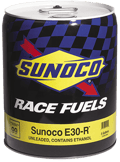
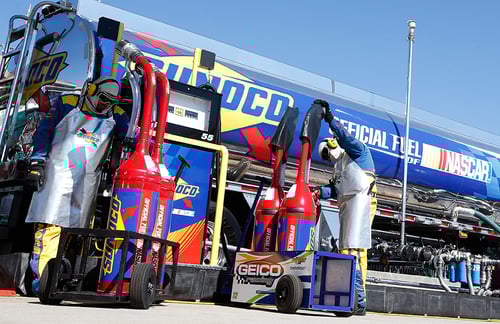
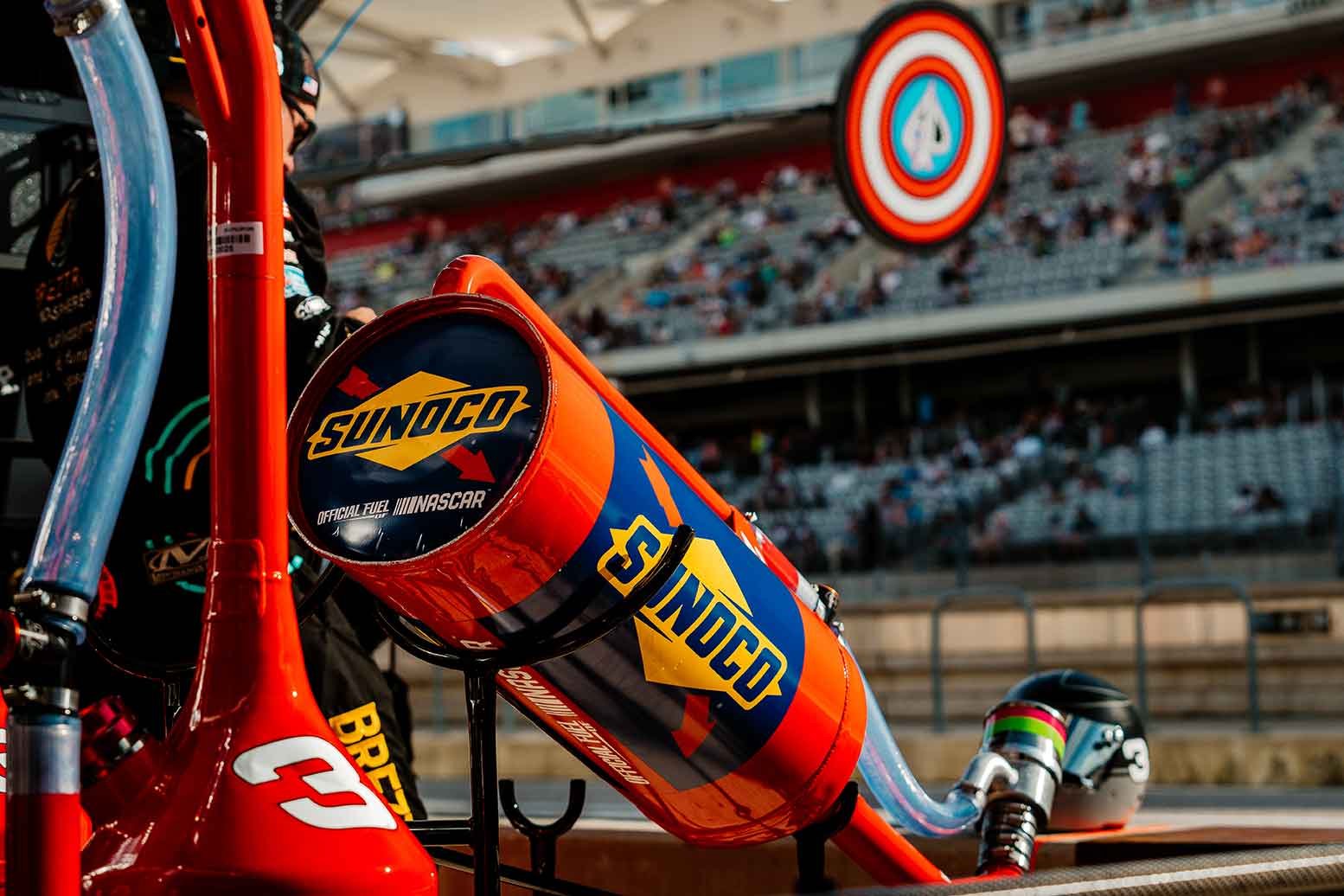
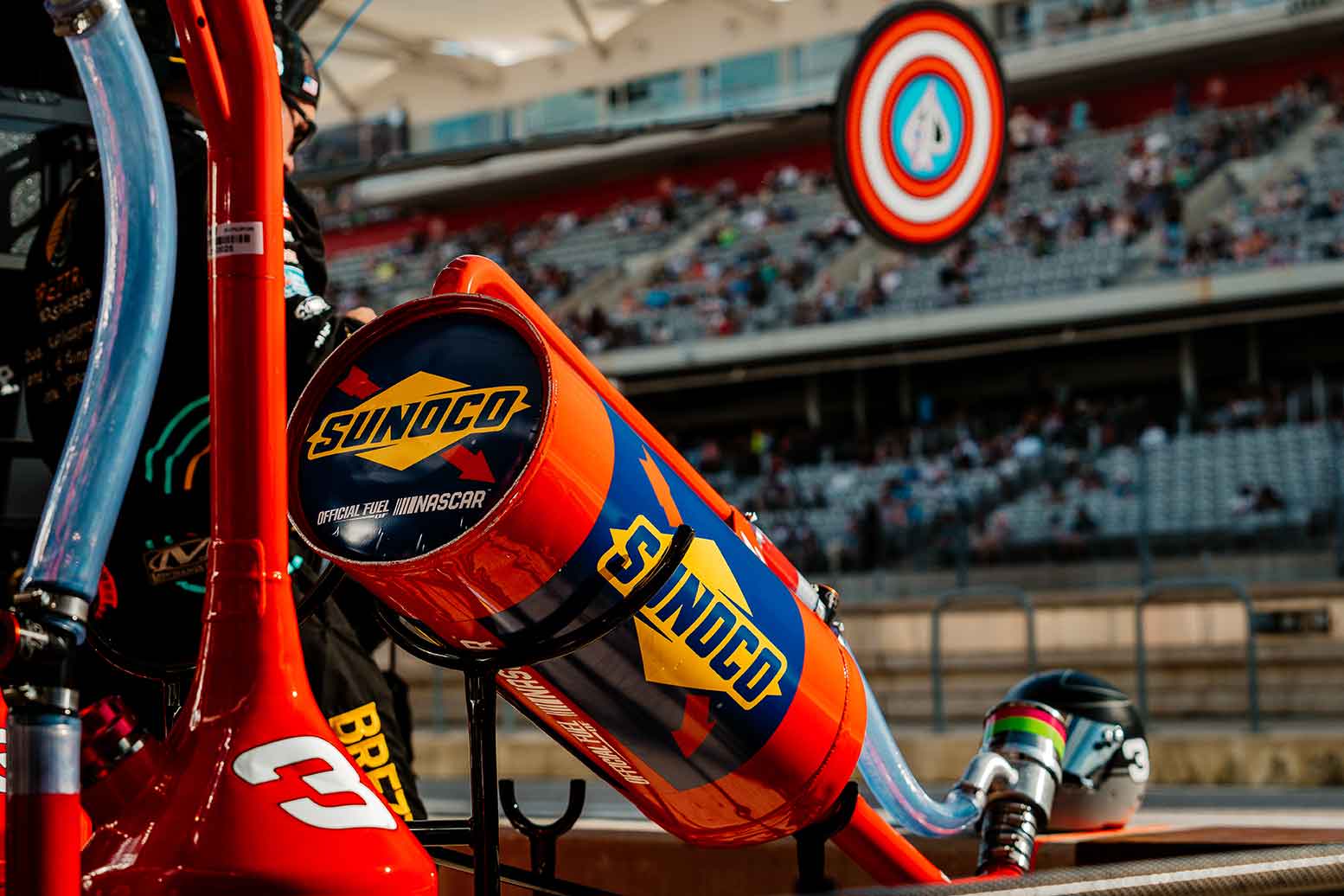
Sunoco Race Fuel Tank in Pit

Ethanol Fuel Options Explained

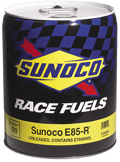
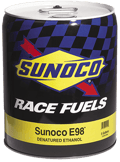
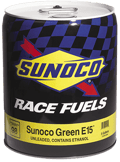
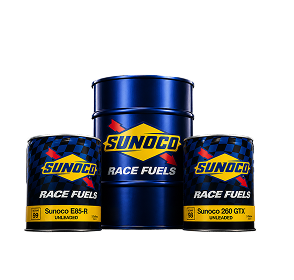
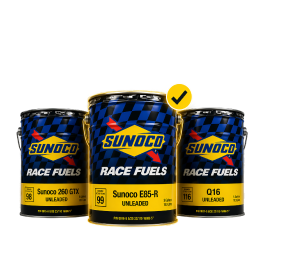
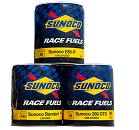
Sunoco offers several ethanol race fuels designed for different applications—from daily-driven flex-fuel setups to full-on competition builds.

Ethanol Tuning Tips and
Best Practices

To fully realize ethanol’s benefits, tuning is essential. Engines must be adjusted for richer air-fuel ratios and higher fuel volume due to ethanol’s lower energy content. Use ethanol-compatible fuel pumps, injectors, and lines, and always verify ethanol content when sourcing from pumps.

Consistent blends like E30-R and E85-R help simplify the tuning process and reduce the risk of running lean. Ethanol content testers are highly recommended for anyone blending or relying on pump-sourced fuels.

Compatibility and
Blending Guidance

Not all engines are built for ethanol use. Before switching, verify that your fuel system materials and calibration can handle the increased oxygen and moisture content. Avoid blending unknown fuels and never rely on pump gas for consistency in race or high-output environments.

Purpose-formulated ethanol fuels from Sunoco ensure clean combustion, predictable octane, and protection from the variables that come with mixing.

Ethanol Tuning Tips and
Best Practices

To fully realize ethanol’s benefits, tuning is essential. Engines must be adjusted for richer air-fuel ratios and higher fuel volume due to ethanol’s lower energy content. Use ethanol-compatible fuel pumps, injectors, and lines, and always verify ethanol content when sourcing from pumps.

Consistent blends like E30-R and E85-R help simplify the tuning process and reduce the risk of running lean. Ethanol content testers are highly recommended for anyone blending or relying on pump-sourced fuels.


Compatibility and
Blending Guidance

Not all engines are built for ethanol use. Before switching, verify that your fuel system materials and calibration can handle the increased oxygen and moisture content. Avoid blending unknown fuels and never rely on pump gas for consistency in race or high-output environments.

Purpose-formulated ethanol fuels from Sunoco ensure clean combustion, predictable octane, and protection from the variables that come with mixing. 

Related Blog Articles

Learn More About Ethanol Performance

Understanding Octane: How to Pick the Right Rating for Your Racing Engine
Race Fuel

Understanding Octane: How to Pick the Right Rating for Your Racing Engine

by Sunoco
Learn how octane rating impacts power, tuning, and engine safety. Discover how to choose the right fuel for your compression ratio and boost level.
How Sunoco Fuels Support Modern Emissions-Compliant Race Cars
Race Fuel

How Sunoco Fuels Support Modern Emissions-Compliant Race Cars

by Sunoco
Sunoco’s advanced unleaded race fuels deliver power, protect emissions systems, and meet modern racing regulations without sacrificing performance.
Why Storage Matters: Keeping Race Fuel at Peak Quality
Race Fuel

Why Storage Matters: Keeping Race Fuel at Peak Quality

by Sunoco
Proper race fuel storage protects octane, power, and engine health. Learn Sunoco’s expert tips to keep your fuel stable and race-ready longer.

Ethanol & Blends Frequently Asked Questions

What makes ethanol blended race fuels different from standard gasoline?

Ethanol blends carry more oxygen and resist knock better than conventional gasoline, allowing more power when the engine and tune can use the added oxygen content. They also require increased fuel volume and proper fuel system compatibility.

Pump E85 can range from 51 to 83 percent ethanol, which creates tuning issues. Sunoco race fuels like E30-R and E85-R are certified to fixed ethanol percentages, providing repeatable performance and eliminating guesswork.

Ethanol evaporates with a cooling effect, supports higher boost due to knock resistance, and burns quickly, which benefits high RPM engines. This can reduce charge air temperatures and increase power potential.


Yes. Ethanol blends need more fuel flow than non oxygenated fuels. Sunoco advises verifying that injectors, pumps, and tuning can support the higher volume demand before switching.

Sunoco ethanol blends are built on highly refined hydrocarbons for stability. Fuels like E30-R list a two year shelf life when stored in tightly sealed, opaque containers away from temperature swings.

Explore Ethanol Performance

Whether you’re building for street use, competition, or flex-fuel versatility, Sunoco’s ethanol lineup offers tested, race-proven options. These blends are engineered to perform with reliability, power, and consistency that outpace pump ethanol.