Drag Racing Fuel
Built for Maximum Acceleration, Peak Power, and Consistent ETs

From street/strip warriors to professional doorslammers, Sunoco delivers race-proven fuels engineered for the explosive demands of drag racing where every thousandth counts.

The Unique Demands of Drag Racing

Drag racing demands everything from an engine in seconds. Unlike endurance racing or road courses, drag engines face instantaneous peak loads, maximum cylinder pressures, and extreme thermal stress from launch to finish line. These conditions require fuels that resist detonation under violent acceleration while maintaining power consistency run after run.

Purpose-formulated race fuels deliver instant throttle response, maximum knock resistance under boost or high compression, and the thermal stability needed for back-to-back passes without performance degradation.
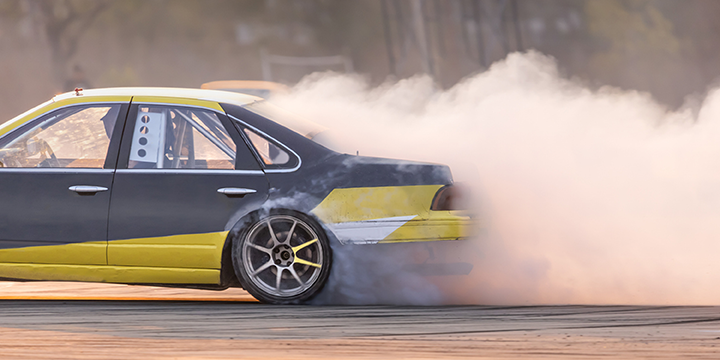


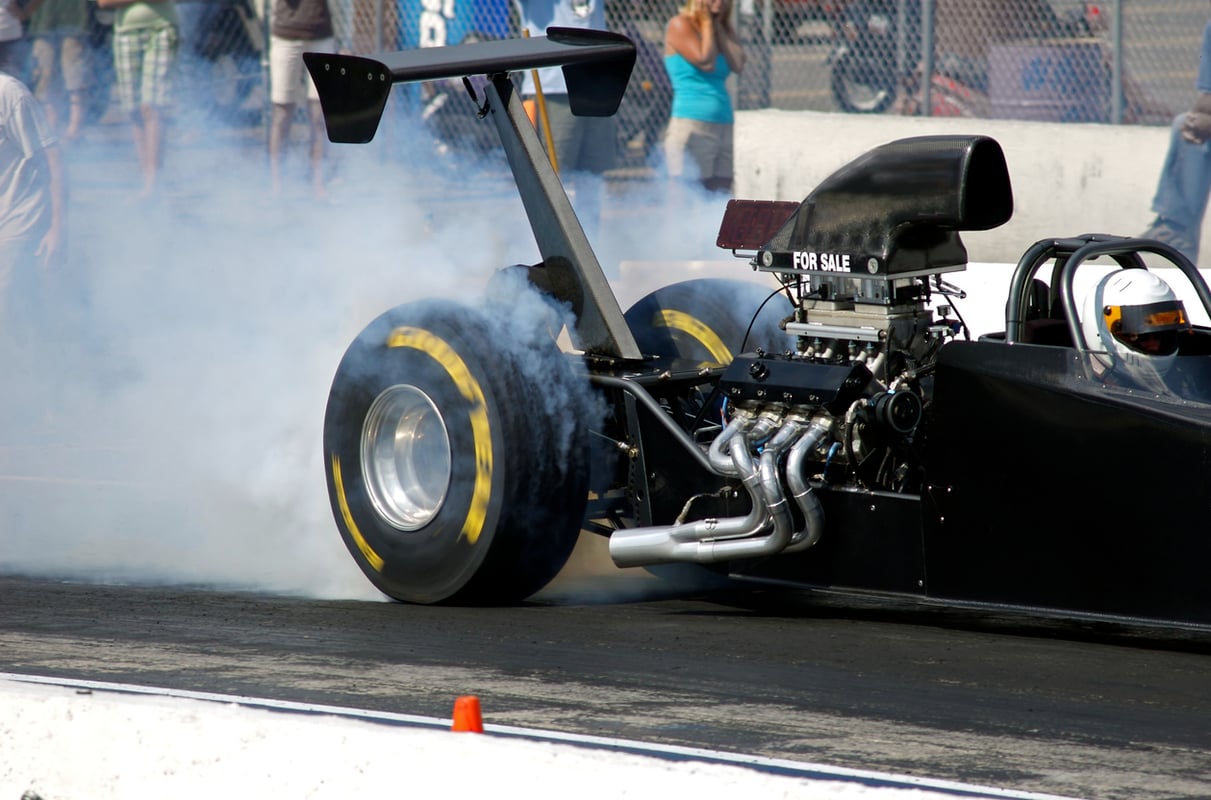
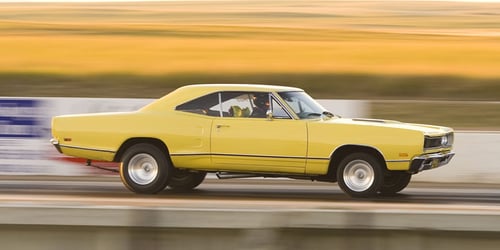
Drag Race Car

Drag Racing Fuel Recommendations

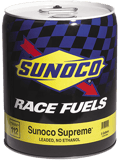
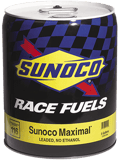
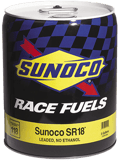
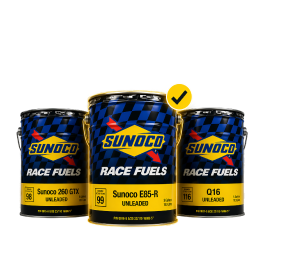
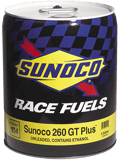
Sunoco offers several race fuels engineered for drag racing applications, from street/strip builds to professional heads-up competition.
Drag Racing
Performance Tuning Tips

Drag racing tuning focuses on maximizing power output during peak acceleration while maintaining engine safety under extreme loads. Unlike circle track or road racing, drag engines operate at or near maximum output for the entire pass.

  • Ignition timing: Higher octane enables more aggressive timing for increased power without detonation
  • Air-fuel ratios: Drag racing often requires richer mixtures for maximum power and thermal protection
  • Boost control: Consistent fuel quality allows precise boost tuning without safety margins for fuel variations
  • Launch consistency: Repeatable fuel performance translates directly to consistent 60-foot times and ETs


Fuel Storage and Handling
for Drag Racers

Drag racing fuel management requires attention to detail, especially for teams running multiple classes or testing different combinations. Race fuel should be stored in sealed, labeled containers away from heat and direct sunlight.

  • Label containers with fuel type, octane rating, and date purchased
  • Use dedicated containers for each fuel type to prevent cross-contamination
  • Store fuel in climate-controlled environments when possible
  • Keep containers sealed between uses to prevent moisture absorption
  • Transport fuel in approved containers meeting safety regulations
  • For alcohol-based fuels, ensure all storage materials are alcohol-compatible


Drag Racing
Performance Tuning Tips

Drag racing tuning focuses on maximizing power output during peak acceleration while maintaining engine safety under extreme loads. Unlike circle track or road racing, drag engines operate at or near maximum output for the entire pass.

  • Ignition timing: Higher octane enables more aggressive timing for increased power without detonation
  • Air-fuel ratios: Drag racing often requires richer mixtures for maximum power and thermal protection
  • Boost control: Consistent fuel quality allows precise boost tuning without safety margins for fuel variations
  • Launch consistency: Repeatable fuel performance translates directly to consistent 60-foot times and ETs

Fuel Storage and Handling
for Drag Racers

Drag racing fuel management requires attention to detail, especially for teams running multiple classes or testing different combinations. Race fuel should be stored in sealed, labeled containers away from heat and direct sunlight.

  • Label containers with fuel type, octane rating, and date purchased
  • Use dedicated containers for each fuel type to prevent cross-contamination
  • Store fuel in climate-controlled environments when possible
  • Keep containers sealed between uses to prevent moisture absorption
  • Transport fuel in approved containers meeting safety regulations
  • For alcohol-based fuels, ensure all storage materials are alcohol-compatible
Drag_Racing

Launch to Finish Line: Fuel Performance Under Maximum Load

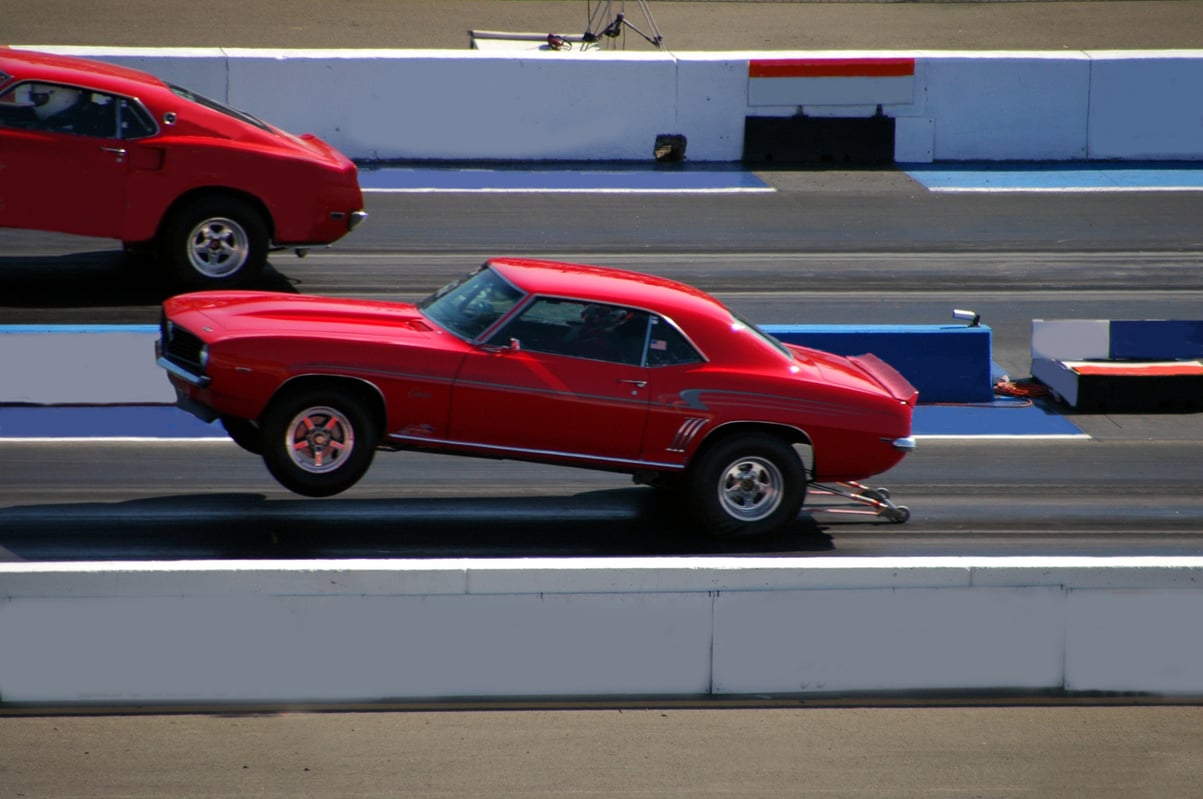
Drag racing places unique demands on fuel from the moment the tree drops. At launch, cylinder pressures spike instantly as the engine loads against the converter or clutch. Through the sixty-foot mark, boost builds rapidly in forced induction applications while naturally aspirated engines reach peak RPM.

From launch through the eighth or quarter mile, fuel must maintain consistent combustion characteristics under continuously changing loads and temperatures. Half-track, many engines experience their highest cylinder pressures and thermal stress. At the finish line, fuel consistency determines whether your dial-in stays locked or varies between rounds.

Sunoco Race Fuels maintain volatility and combustion stability throughout the entire power curve, ensuring your engine makes the same power on the starting line as it does at the finish.


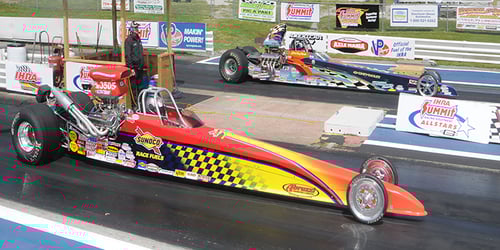
2 Red Cars Drag Racing

Why Sunoco Wins at the Strip

Sunoco has powered drag racing champions across every class and sanction, from NHRA Pro Stock to outlaw small-tire racing. The Double Distilled™ process creates race fuel with three critical advantages:

Consistency you can trust: Batch-to-batch reliability means your tune stays locked in from qualifying through eliminations without performance variations.

Purity that protects: Cleaner combustion reduces carbon buildup and extends component life, critical for high-output engines operating at their limits.


Dirt Track
Racing Fuels

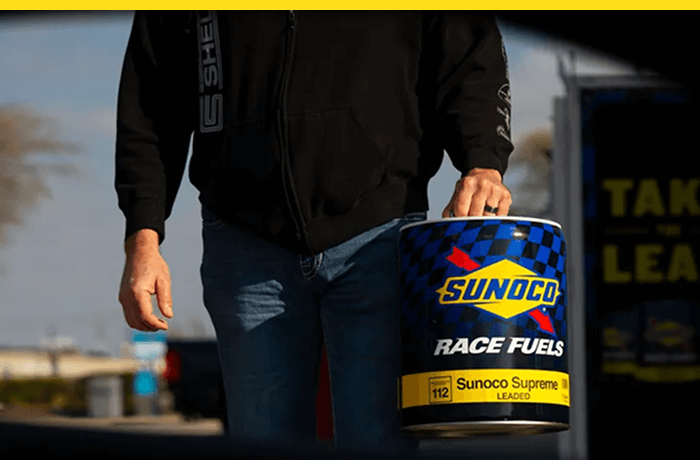
From sprint cars to late models, discover fuels built for traction, throttle response, and lap-after-lap consistency on clay and dirt surfaces. 

Powersports
Racing Fuels

Maximize off-road performance with fuels engineered for motocross, UTVs, and high-RPM powersports applications.

The Double Distilled™
Advantage

Discover how Sunoco's proprietary Double Distilled™ process creates race fuels with unmatched purity, consistency, and performance.

Dirt Track Racing Fuels

From sprint cars to late models, discover fuels built for traction, throttle response, and lap-after-lap consistency on clay and dirt surfaces.
Powersports Racing Fuels

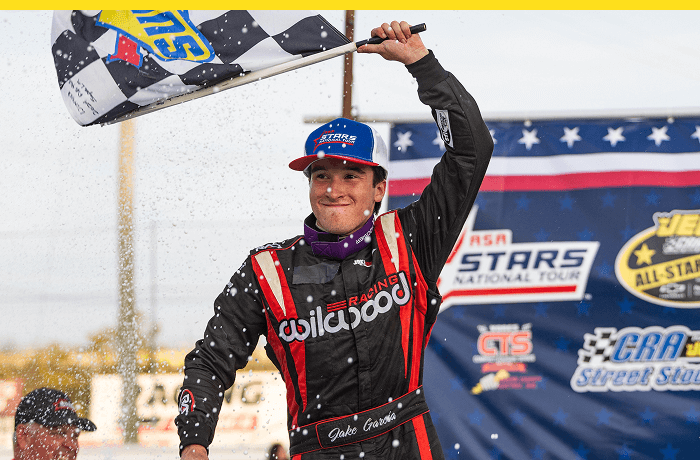
Maximize off-road performance with fuels engineered for motocross, UTVs, and high-RPM powersports applications. 
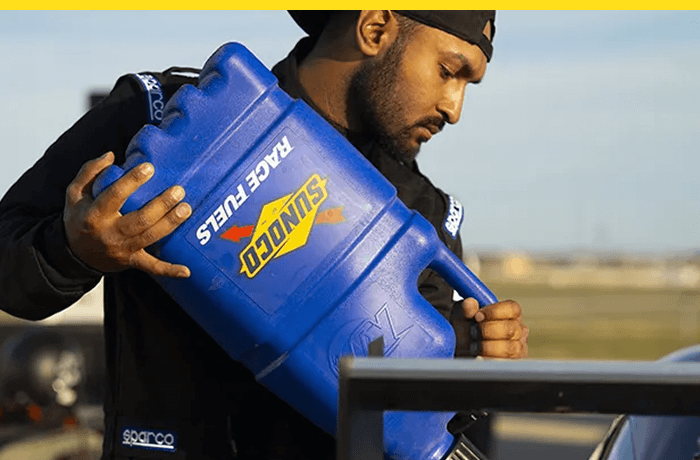
Drag Racing Fuel Frequently Asked Questions

What octane rating do I need for my drag car?

Octane requirements depend on your engine's compression ratio, boost levels, and ignition timing. Street/strip builds with mild modifications typically perform well on 100-octane fuels like 260 GT Plus. High-boost turbo or supercharged applications often require 112-octane or higher. Naturally aspirated engines with extreme compression ratios may need 114-118 octane. When in doubt, start with higher octane and adjust based on performance data and tuning.

While mixing is possible, it's not recommended for consistent performance. Blending race fuel with pump gas creates unpredictable octane levels and can introduce the quality variations you're trying to avoid. For best results, run consistent fuel batches and tune specifically for that fuel. If budget requires mixing, test your blend with an octane tester and retune accordingly.

Pump E85 varies significantly in ethanol content by season and location, ranging anywhere from 51% to 83% ethanol. This inconsistency makes precise tuning nearly impossible. E85-R delivers consistent 85% ethanol content in every drum, allowing you to build aggressive tune files without worrying about running lean due to fuel variations. Consistency equals performance and engine safety.


Store race fuel in sealed, opaque containers away from heat and direct sunlight. Keep containers in a climate-controlled environment when possible and avoid opening them repeatedly. Label each container with fuel type and purchase date. For ethanol-based fuels, minimize air space in containers and use within 30-60 days for optimal performance. Non-oxygenated fuels can last several months when stored properly.

Higher octane fuel doesn't automatically add power. It prevents detonation, which allows you to run more aggressive timing and boost levels safely. If your engine isn't knock-limited, adding octane won't help. However, if you're holding back timing or boost to prevent detonation, higher octane fuel enables tuning changes that can significantly increase power output.

Most modern fuel systems handle race fuel without modifications. However, ethanol-based fuels require ethanol-compatible fuel lines, seals, and pump internals. High-flow applications may need upgraded fuel pumps and larger injectors to handle increased fuel volume demands. Always verify your fuel system components are compatible with your chosen fuel type before making the switch.

Plan for more than you think you'll need. Budget fuel for warm-up passes, time trials, and multiple elimination rounds. A typical bracket car might use 5-10 gallons per race day, while heads-up cars with multiple qualifying sessions can consume significantly more. Bring extra fuel for unexpected additional rounds or testing opportunities. Running out of consistent fuel mid-event can cost you rounds.

Related Blog Articles

Learn More About Dirt Track Fuel Performance
Endurance vs. Drag Racing Fuel: How to Choose the Right Fuel for Your Race Type

Endurance vs. Drag Racing Fuel: How to Choose the Right Fuel for Your Race Type

Endurance or drag racing? Learn how fuel choice impacts power, heat, consistency, and reliability—and why the right fuel depends on race format.
How to Choose the Best Fuel for Drag Racing

How to Choose the Best Fuel for Drag Racing

Learn how to choose the best drag racing fuel. Understand octane, oxygenation, and evaporation to match your engine, tune, and race day goals.

Find Your Drag Racing Fuel Solution

From bracket racing to professional heads-up competition, Sunoco has a fuel engineered for your drag racing application. Whether you're chasing consistent ETs or pursuing class records, the right fuel choice starts here.