Dirt Racing Fuel
Premium fuels for unique racing disciplines

From sprint cars to late models, Sunoco delivers race-proven fuels engineered for the unique demands of dirt track competition where surface conditions change and reliability wins races.

The Unique Demands of Dirt Track Racing

Dirt track racing presents challenges unlike any other motorsport. Surface conditions evolve throughout the night, from slick and smooth to rough and rutted, while track moisture, clay composition, and tire wear constantly shift. These changing conditions demand precise throttle modulation, create extreme engine loads during acceleration, and expose fuel systems to dust and debris.

Purpose-formulated race fuels deliver predictable combustion characteristics and maintain octane integrity under varying loads, ensuring consistent performance from heat races through the main event.
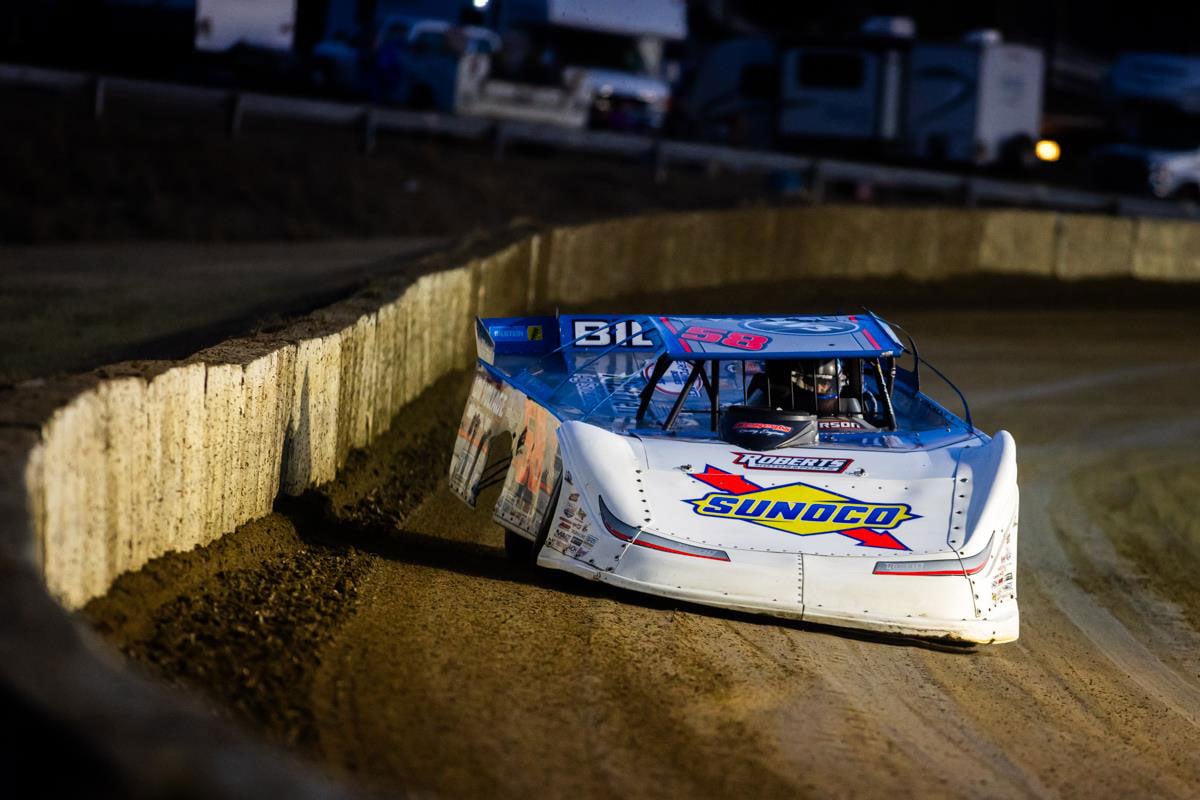
 

Sunoco Late Model Race Car

What is ethanol and how does it work?

Ethanol is a renewable, oxygenated fuel known for increasing knock resistance and promoting cooler combustion temperatures. These properties allow tuners to push more timing, boost, and compression safely, making ethanol blends a top choice for performance enthusiasts looking to extract every bit of horsepower from their builds.

Ethanol not only improves performance but also supports cleaner combustion, especially when the fuel is consistent and properly matched to the engine’s setup.

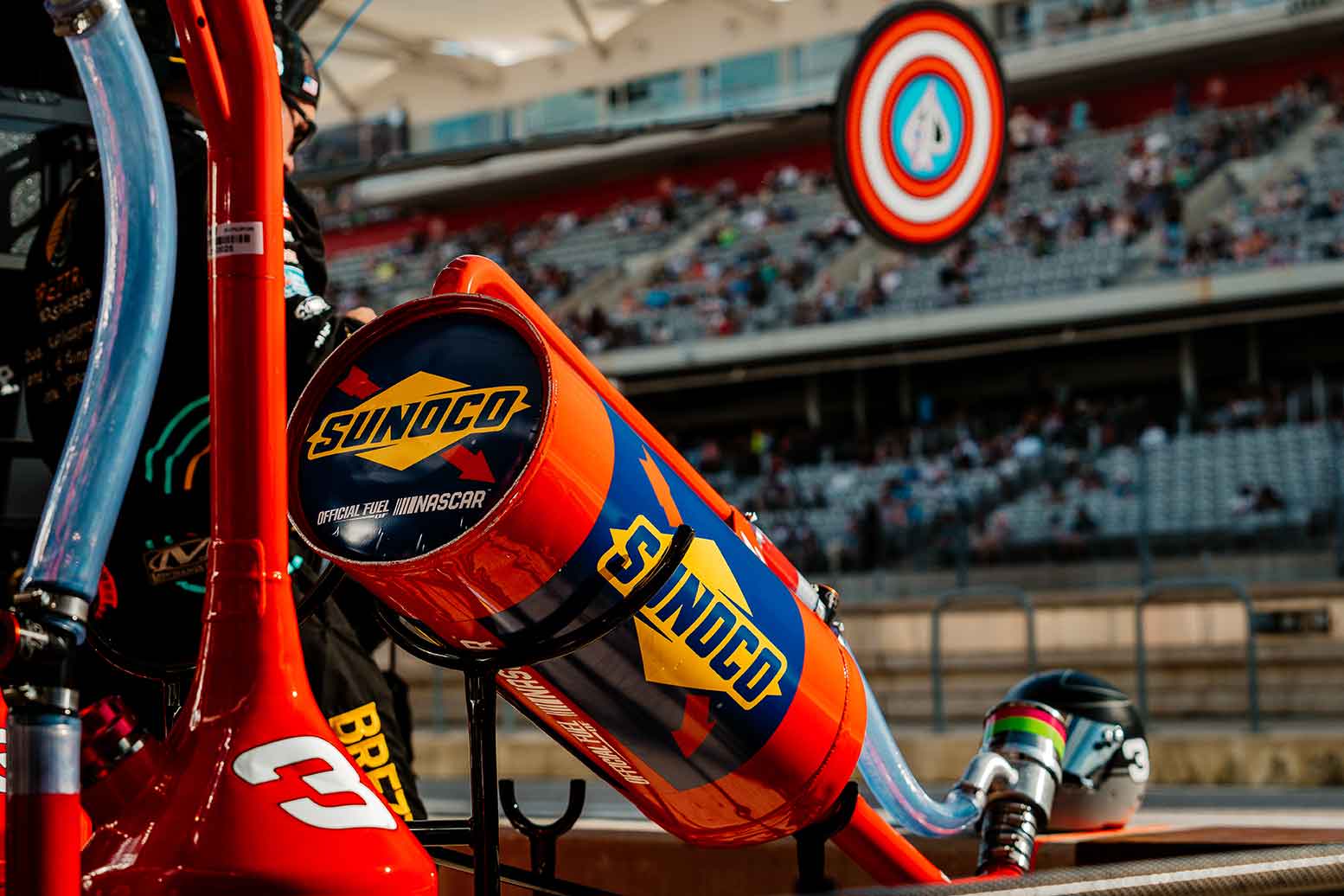
Sunoco Race Fuel Tank in Pit

What Are The Best Fuels For Dirt Track Racing?

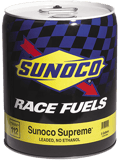
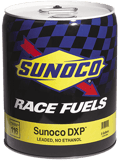
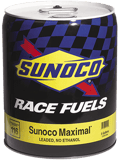
Sunoco offers several race fuels engineered for dirt track applications, from weekly sportsman racing to national touring series competition.
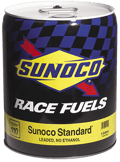
Pro Dirt Track
Tuning Tips

Dirt track tuning requires balancing peak power with drivability. Unlike road racing or drag racing, dirt engines must deliver power across a broad RPM range while allowing precise throttle control for managing wheel spin and weight transfer.

  • Ignition timing: Higher octane allows more aggressive timing for increased torque
  • Air-fuel ratios: Dirt engines often run slightly richer for cooler combustion temps during sustained loads
  • Fuel system sizing: Ensure pumps and injectors can handle fuel flow demands during rapid throttle transitions
  • Consistency matters: Use the same fuel batch-to-batch to eliminate tuning variables


Fuel Storage and Handling
for Dirt Racers

Many dirt track teams race weekly throughout the season, requiring proper fuel storage between events. Race fuel should be stored indoors, in sealed containers away from heat and UV exposure to extend shelf life and maintain fuel integrity.

  • Label containers with fuel type and date purchased
  • Use sealed, non-vented containers to prevent moisture contamination
  • Store fuel in shaded or indoor locations with stable temperatures
  • Transport fuel in approved containers designed for race fuel
  • Avoid mixing different fuel types or batches when possible
  • For off-season storage, consider fuel stabilizers for extended periods


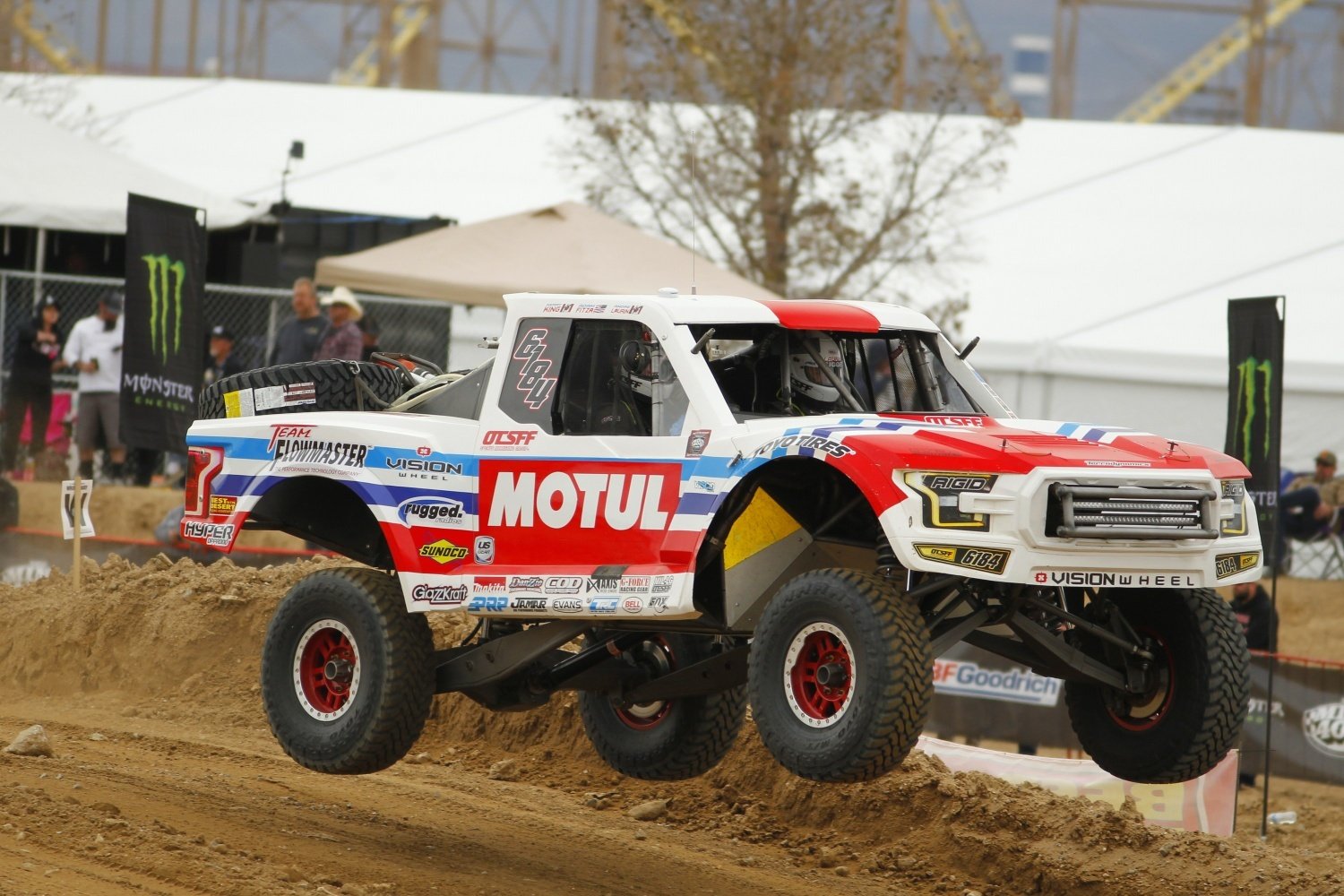
Race Truck Jump

Track Conditions and Fuel Performance

As the night progresses, dirt surfaces evolve dramatically. What starts as a heavy, moisture-packed track becomes a dry, slick racing surface by the feature. These changes create significant shifts in engine loads, RPM ranges, and thermal demands.

Early in the night, heavy and tacky conditions generate higher cylinder pressures and extreme engine loads in the corners. Fuel must resist knock during aggressive throttle application and prevent detonation under maximum loading.

Later in the race, dry and slick surfaces reduce available traction, requiring precise throttle control. Sustained higher RPMs on straightaways and elevated engine temperatures demand fuel that maintains consistent volatility and cooling properties throughout the event.


Why Sunoco Fuels Wins on Dirt

Sunoco has been the fuel of choice for dirt track champions at every level, including World of Outlaws titlists and Lucas Oil Late Model winners. The Double Distilled™ process creates race fuel with three critical advantages:

Consistency you can trust: Batch-to-batch reliability means your tuning stays locked in all season long without constant adjustments.

Purity that protects: Cleaner combustion reduces carbon deposits and extends time between rebuilds, lowering maintenance costs.
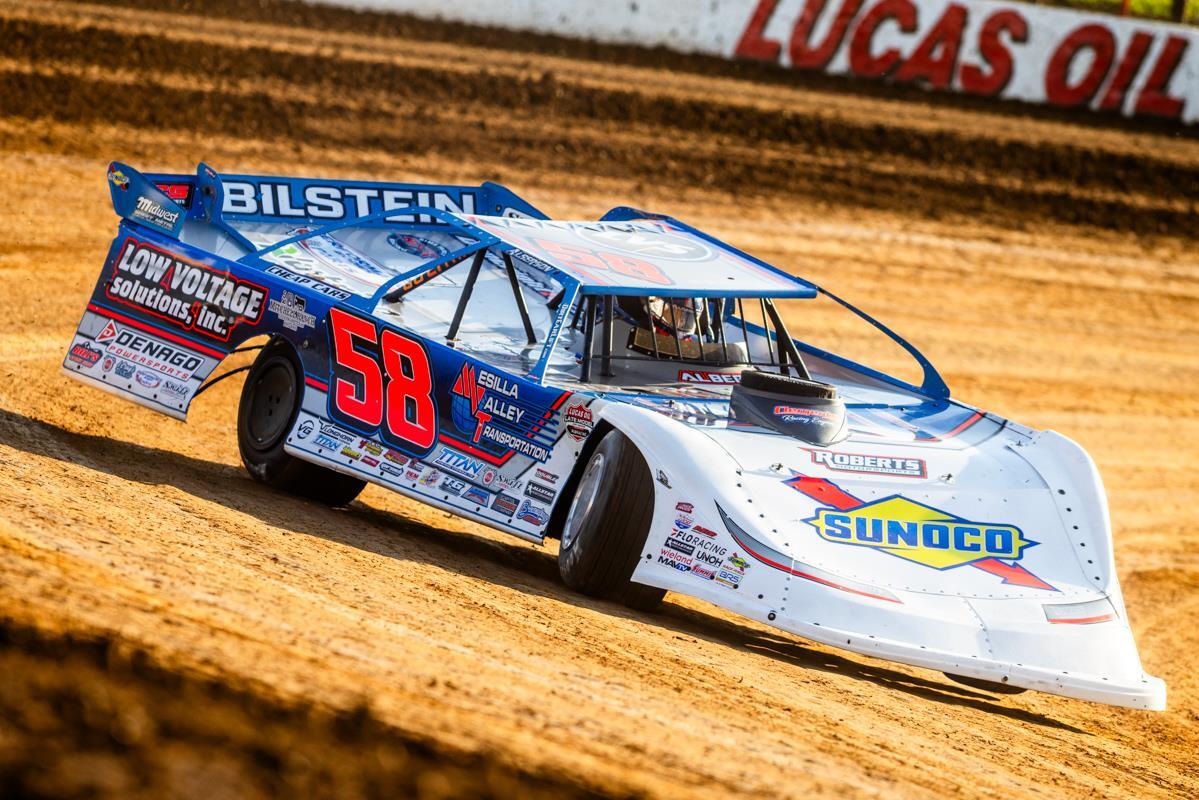
 

AlbertsonLMSideways

Dirt Track Racing Fuel Frequently Asked Questions

What makes dirt track racing fuel different from other race fuels?

Dirt track racing creates unique demands with constantly changing surface conditions, extreme engine loads during acceleration, and dust exposure. Purpose-formulated dirt track fuels maintain octane integrity under varying loads and deliver predictable combustion characteristics as track conditions evolve from heavy and tacky to dry and slick throughout the race night.

For 360 sprint cars and non-winged sprints, Standard (110 octane) provides excellent throttle response and knock resistance. For 410 sprint cars and World of Outlaws competition, Maximal (114 octane) or SR18 (118 octane) deliver the extreme detonation resistance needed for high-compression engines producing maximum horsepower during corner exit acceleration.

Supreme (112 octane) works well for both late models and modified classes requiring unleaded fuel. However, late models running sustained high-load features may benefit from Maximal for additional thermal stability, while sportsman modifieds and crate engine classes perform optimally with Supreme's balanced formulation and cost-effective performance.


Early in the night when tracks are heavy and tacky, engines experience higher cylinder pressures and extreme loading requiring maximum knock resistance. As tracks dry and become slick, sustained higher RPMs and increased temperatures demand fuel that maintains volatility and cooling properties. Sunoco Race Fuels deliver consistent combustion across these changing conditions.

Use unleaded fuels like Supreme, Standard, Maximal, or SR18 for classes requiring unleaded fuel, which includes most modern dirt track sanctioning bodies. Leaded options like HCR (116 octane) and HCR Plus (118 octane) are available for classes specifically permitting leaded fuel or vintage dirt racing applications where rules allow.

Store race fuel in sealed, opaque containers away from heat and UV exposure, preferably in climate-controlled indoor locations. Label containers with fuel type and purchase date, use non-vented containers to prevent moisture contamination, and avoid mixing different fuel types or batches. Proper storage maintains fuel integrity and performance consistency throughout the racing season.

Yes. Higher octane fuels allow more aggressive ignition timing for increased torque, which is critical for dirt track acceleration. Sunoco's batch-to-batch consistency eliminates tuning variables, allowing teams to maintain precise fuel maps as surface conditions change. Inconsistent fuel forces constant retuning, while Sunoco's Double Distilled™ process ensures your setup stays locked in from heat races through the main event.

Related Blog Articles

Learn More About Dirt Track Fuel Performance
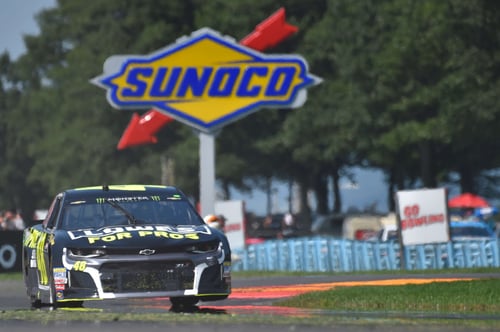
Endurance vs. Drag Racing Fuel: How to Choose the Right Fuel for Your Race Type

Endurance vs. Drag Racing Fuel: How to Choose the Right Fuel for Your Race Type

Endurance or drag racing? Learn how fuel choice impacts power, heat, consistency, and reliability—and why the right fuel depends on race format.
How to Choose the Best Fuel for Drag Racing

How to Choose the Best Fuel for Drag Racing

Learn how to choose the best drag racing fuel. Understand octane, oxygenation, and evaporation to match your engine, tune, and race day goals.

Find Your Dirt Track Fuel Solution

From weekly sportsman racing to national touring series, Sunoco has a fuel engineered for your dirt track application. Whether you're building a weekend warrior or chasing championships, the right fuel choice starts here.